
Capsicum and high-value vegetables
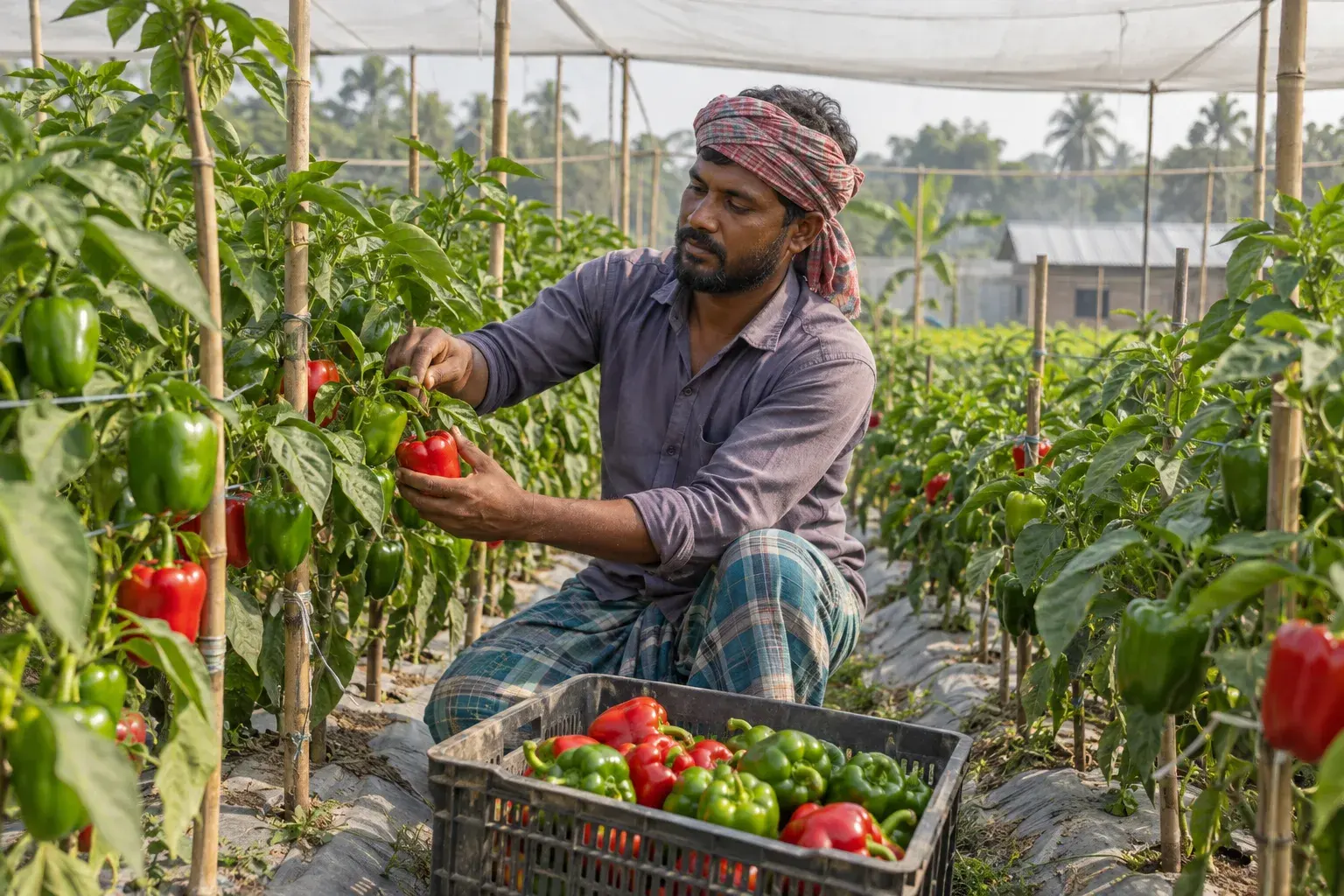
Growing capsicum from November to February. Dhaka retail is Tk 220 a kilo for green and Tk 400 for coloured, but total national output is only 475 tonnes a year - the buyer base is narrow.
- Last reviewed: 19 September 2026
- Version 1
Capsicum and high-value vegetables
- Starting capital
- ৳1,10,000 – ৳7,00,000 Practitioner verified
- Manpower
- 2 – 10 people
- First sale
- 60 – 90 days Editorial estimate
- Break-even
- 3.5 – 5 months Editorial estimate
- Kind of work
- Farm · Medium difficulty
About the business
Capsicum, or sweet pepper, has become a standard ingredient in salads, noodles and Chinese cooking, and that is why city demand is rising. It is grown from November to February, giving seven to ten pickings over four months. The margins are good: the upazila agriculture officer in Bhola Sadar says capsicum sells for about three times its production cost, and Md Shahjahan, a farmer on Majher Char in Bhola, spent about Tk 7,00,000 on just over a hectare expecting sales above Tk 15,00,000. But the most important fact on this page is a different one. According to the Bangladesh Bureau of Statistics, the whole country produced just 475 tonnes of capsicum in FY 2024-25 on 119 acres. Four hundred and seventy-five tonnes nationally is a small market, not a big one. The buyers are specific too: hotels, restaurants, Chinese kitchens and city supermarkets. Bhola's crop goes straight to Karwan Bazar in Dhaka and spreads out from there. When production rises the price falls fast - in Bhola itself capsicum that once sold at Tk 120 a kilo had come down to Tk 80 in peak season. So the real work before planting is fixing the buyer, not the yield.
Unit economics
| Item | Range | Evidence | Suggest a correction |
|---|---|---|---|
| Monthly working capital | ৳25,000 – ৳1,75,000 | Editorial estimate | |
| Selling price | ৳80 – ৳400 / kg | Market quote | |
| Variable cost | ৳37 – ৳95 / kg | Editorial estimate | |
| Gross margin | 45% – 65% | Editorial estimate | |
| Time to first revenue | 60 – 90 days | Editorial estimate | |
| Break-even time | 3.5 – 5 months | Editorial estimate | |
| Cash cycle | 60 – 120 days | Editorial estimate | |
| Waste / loss | 8% – 20% | Editorial estimate | |
| Daily capacity | 7 – 10 | Editorial estimate |
What you need to start
- An irrigation pump, sprayer, weighing scales and packing materials. Kushtia farmers weigh and pack on modern scales.Equipment
- Seed and seedlings (ACI, BRAC, AR Malik Seeds, or BARI varieties through BADC), fertiliser, mulching film, netting and irrigation equipment.Starting stock
- Trade licence from the city corporation or municipality if you sell or supply commercially: form Tk 10, licence book Tk 50, standard tax Tk 30, stamp Tk 150-300, licence fee Tk 100-60,000. Selling from the field to a wholesaler usually does not need one, but a hotel or supermarket supply contract may.Licence
- Retaining soil moisture, managing fertiliser and protecting the crop from pests - the three things the upazila training covers. The picking rhythm has to be learned too.Skill
- Seed companies and BADC on the input side; on the selling side a Karwan Bazar arat or a hotel or supermarket buying department directly.Supplier
- Raised, friable land that does not waterlog, with irrigation. Char silt gives good yields. Commercial plots run from 10 bighas in Kushtia to over a hectare in Bhola.Workspace
How the work is done
- 1Fix the buyer first. National output is only 475 tonnes a year, so the buyer list is short - Chinese and fast food restaurants, hotels and supermarkets. Talk to a named Karwan Bazar wholesaler before you plant.
- 2Choose the land. Capsicum does well in char silt - the Bhola DAE deputy director says the silt deposits on char land give good production. You need raised, friable land where water does not stand.
- 3Pick seed and variety. ACI, BRAC and AR Malik Seeds market capsicum seed; BARI has developed three locally adapted varieties distributed through BADC. Kushtia farmers used the Indra Gold variety.
- 4Go to the upazila agriculture office. Under the spice varieties and technology extension project, farmers in 110 upazilas are being trained in capsicum production - moisture retention, fertiliser management and pest control. Ask whether the training is free.
- 5Raise seedlings and transplant. Fruiting starts about 60 days after transplanting and the whole crop runs about 120 days.
- 6Use mulching and net the plot. In Kushtia, netting the plot and mulching kept disease down and allowed pesticide-free cultivation.
- 7Take seven to ten pickings over the four months. Capsicum does not ripen all at once, and if it is not picked regularly the plant slows down new fruit.
- 8Clean, weigh and pack after picking. In Kushtia farmers pick in groups, clean the fruit and weigh and pack it on modern scales - which is how hotels and supermarkets want it.
- 9Move it fast. Capsicum is soft and perishable; Bhola's crop goes straight to Karwan Bazar in Dhaka, where wholesalers from across the country buy it.
- 10Plan the next crop for the land. In Kushtia, improved papaya is planted after capsicum - land left idle wastes the lease money.
- 11Be ready for the price to fall. Rising production has pushed it down - Bhola's crop sold at Tk 120 a kilo before and Tk 80 in peak season now. Do not plan next year on one good year's numbers.
Seasons
- JanHigh
- FebHigh
- MarNormal
- AprNormal
- MayNormal
- JunLow
- JulLow
- AugLow
- SepNormal
- OctNormal
- NovHigh
- DecHigh
Where it works well
- Strong fitBhola · The country's largest producer - 262 of the national 324 tonnes in FY 2023-24 came from Bhola. Char silt gives good yields and the crop goes straight to Karwan Bazar in Dhaka.
- Strong fitDhaka · Not a growing district but the selling one - Karwan Bazar is the national market, with retail at Tk 220 a kilo for green and Tk 400 for coloured.
- Strong fitKushtia · Thirty farmers grow it commercially on 10 bighas in Chandpur union, Kumarkhali, selling into Kushtia, Rajshahi, Pabna, Khulna and Dhaka.
- PossibleBogura · Named among the good-producing districts in the BBS data, and a large vegetable market in its own right.
- PossibleChuadanga · Produced 10 tonnes in FY 2023-24.
- PossibleJoypurhat · Named among the good-producing districts in the BBS data.
- PossibleKurigram · Ten tonnes in FY 2023-24, with plenty of char land.
- PossibleNaogaon · Third highest with 11 tonnes in FY 2023-24.
- PossibleSylhet · The Sylhet region was second with 15 tonnes in FY 2023-24.
Risks and cautions
- HighDemand: The market is small, and that is this crop's real limit. BBS records national capsicum production at 475 tonnes in FY 2024-25 on just 119 acres. The buyers are mostly hotels, Chinese restaurants and city supermarkets - it is still not a regular household ingredient. A few hundred farmers entering together fill this market, and then the price has nowhere to go but down.
- HighDemand: The price is already falling. Production more than trebled in four years, from 151 tonnes in FY 2021-22 to 475 tonnes in FY 2024-25, and over the same stretch the Bhola farm price fell from Tk 120 to Tk 80 in peak season. Yield also rose from 2,922 kg to 4,006 kg an acre, so the same land will produce more and push the price down further.
- HighSpoilage: Capsicum is soft and spoils fast. Getting it from a Bhola char to Karwan Bazar takes time by boat and road, and without cold chain there are losses on the way. Even when the market price is poor the fruit cannot be held on the plant - it has to be picked and it has to be sold.
- HighWorking capital: The money goes out before it comes in. In Kushtia, land lease, seedlings, fertiliser and care ran to about Tk 10 lakh on 10 bighas before the first fruit, and the first fruit comes 60 days after transplanting. For those two months the whole sum sits in the field, and if the yield is poor or the price drops there is no way back.
Sources
What changed
No corrections have been published yet.
Questions and answers
No questions yet. Be the first to ask.
Stories about this business
2.2 lakh taka on two bighas of capsicum, four lakh of profit, and 30 farmers following
Two bighas of Indra Gold capsicum in 2024 cost 220,000 taka and returned about 400,000 in profit. The following season 30 farmers of the village put roughly 10 lakh taka into 10 bighas between them.
- Capital
- ৳2.2 lakh
- Reasons
- Strong network, Working capital
Similar businesses
 Agriculture & farming
Turkey farming
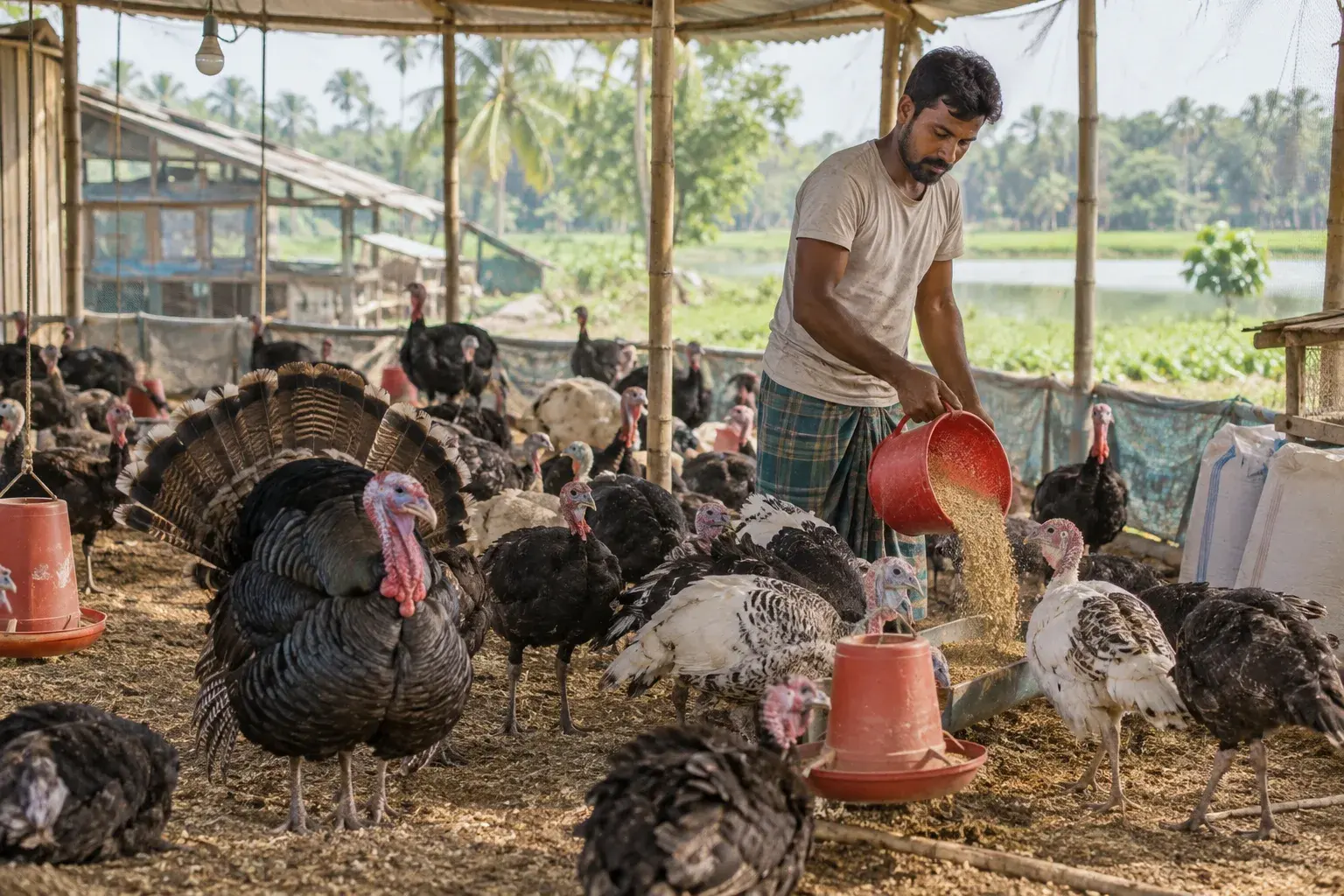
About 5,000 farms sprang up in the 2015-2020 rush and a few hundred remain. Chick prices fell from Tk 600 to Tk 150 and the livestock department discourages the trade.
- Capital
- ৳1 lakh
- People
- 1 – 3
- First income
- 30 days
 Agriculture & farming
Betel leaf cultivation (boroj)
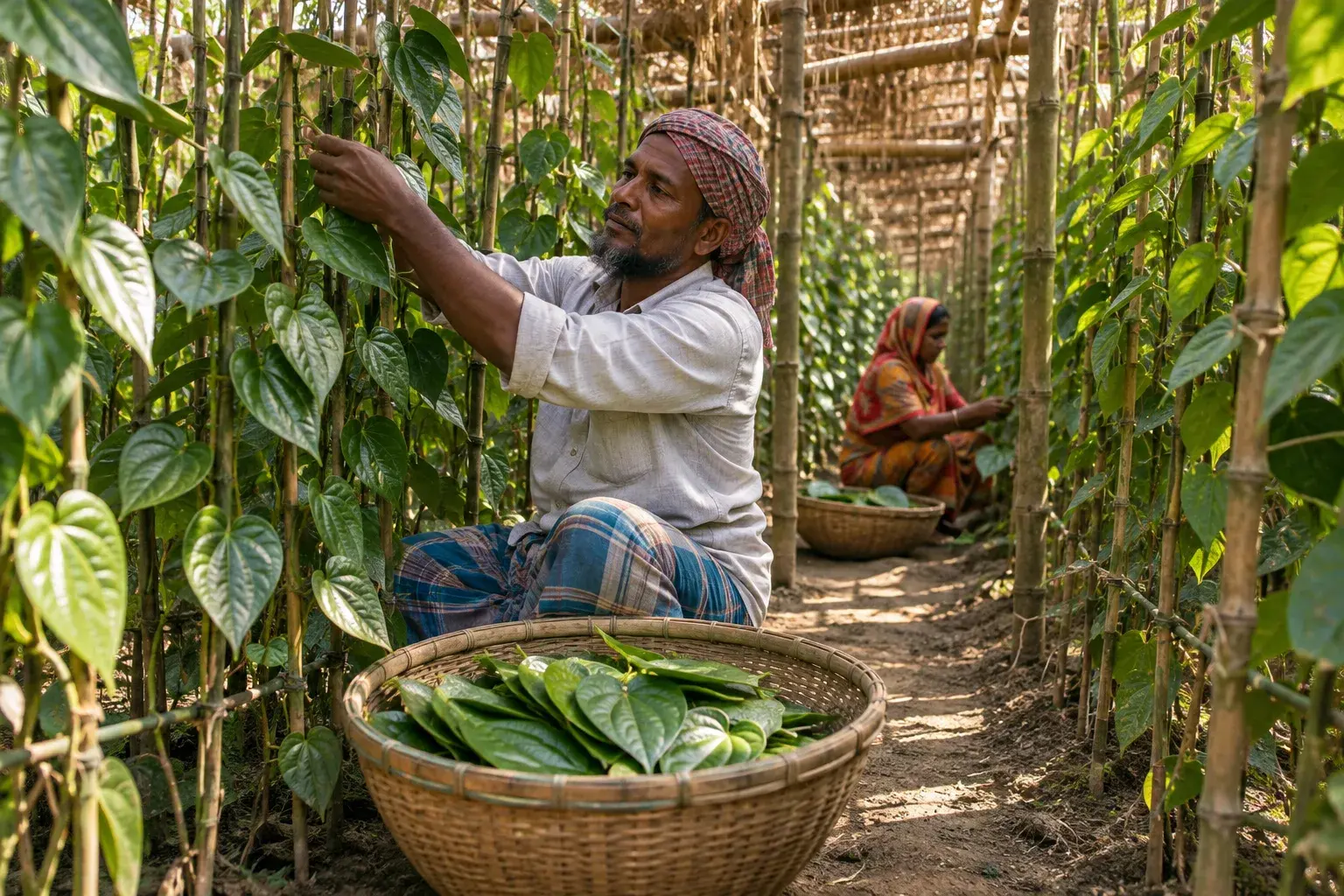
Growing betel vine inside a bamboo-and-thatch boroj. About Tk 1 lakh a bigha to run, and in Rajshahi a bira of 64 leaves has gone from Tk 100-120 to Tk 4.
- Capital
- ৳1 lakh
- People
- 1 – 4
- First income
- 120 – 180 days
 Agriculture & farming
Agar (agarwood) plantation
Growing agar trees, driving nails into them to force the resin, and selling the wood or the attar. The first money arrives 8 to 16 years after planting, and exporting needs a CITES no-objection certificate from the Forest Department.
- Capital
- ৳1 lakh – ৳10 lakh
- People
- 1 – 6
- First income
- 2,555 – 5,840 days
 Agriculture & farming
Duck farming (Khaki Campbell)
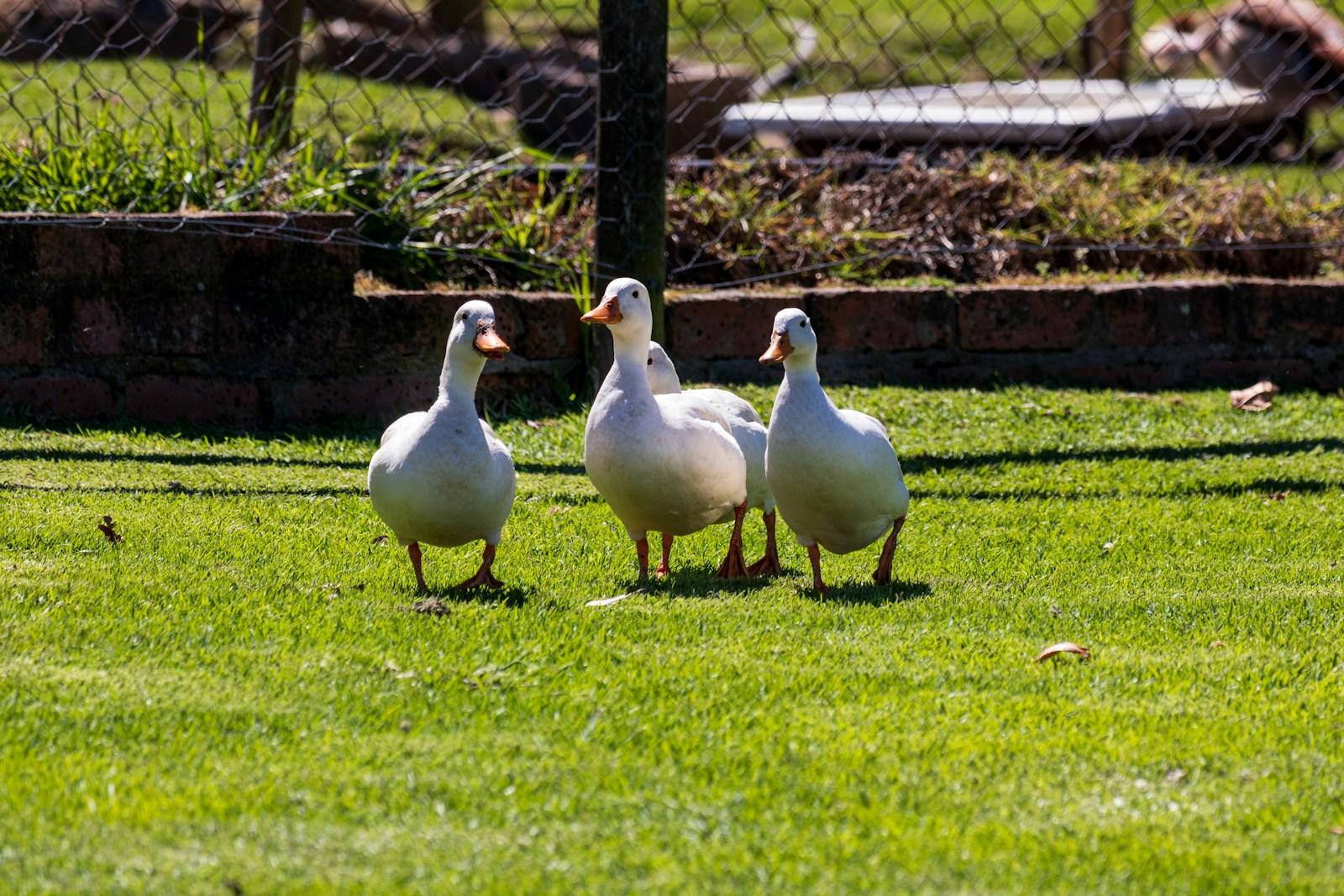
Start with 300 ducks for eggs. Feed costs far less near haors and wetlands.
- Capital
- ৳1.2 lakh – ৳2 lakh
- People
- 1 – 2
- First income
- 150 – 180 days