
Pet food and supplies shop
A shop selling imported cat and dog food, litter and accessories. Dry food runs Tk 487 to Tk 1,900 a kg (21-09-2026). Customs duty on pet food is 25%, and demand is still mostly confined to Dhaka.
- Last reviewed: 21 September 2026
- Version 1
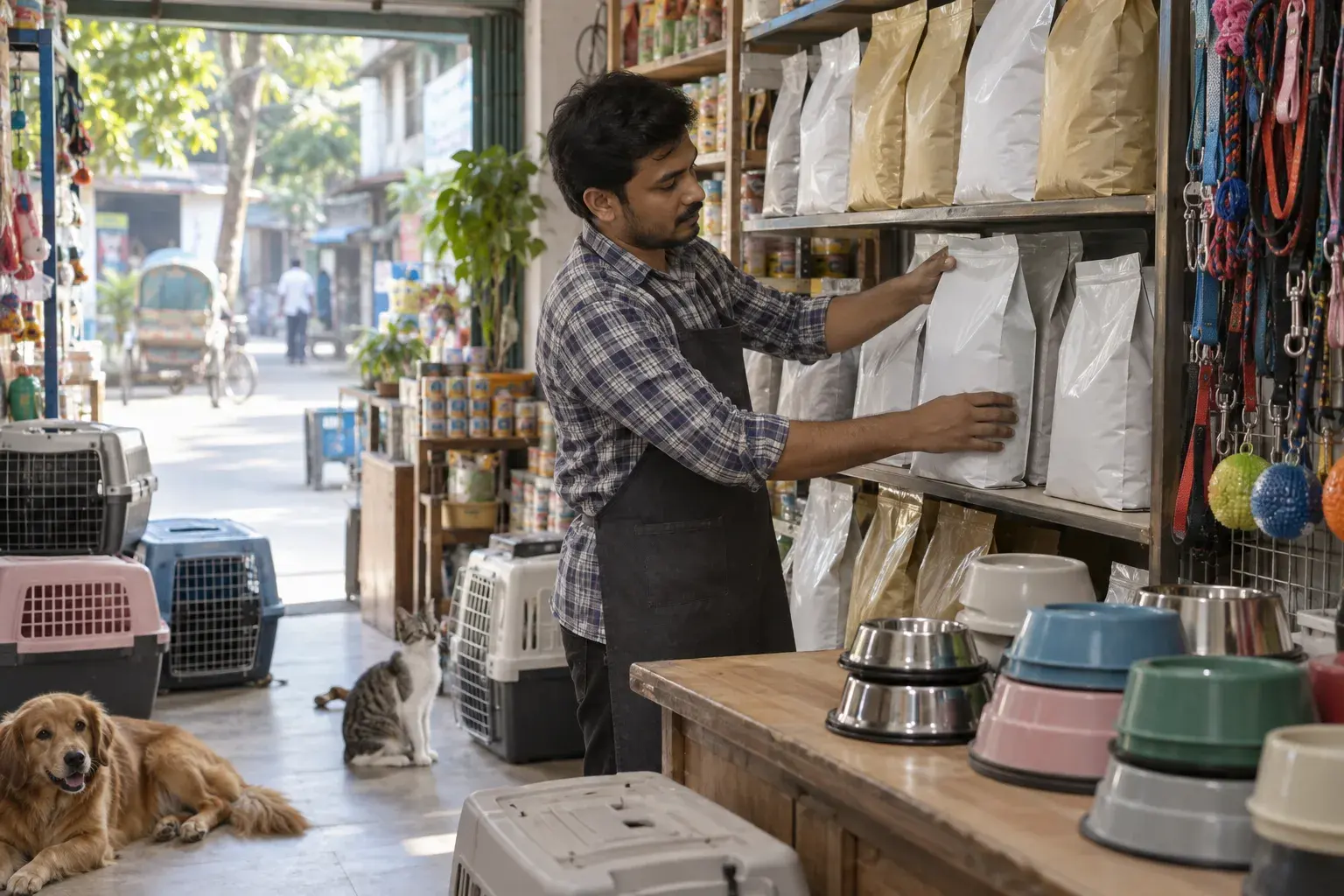
Pet food and supplies shop
- Starting capital
- ৳2,00,000 – ৳10,00,000 Editorial estimate
- Manpower
- 1 – 4 people
- First sale
- 15 – 60 days Editorial estimate
- Break-even
- 8 – 36 months Editorial estimate
- Kind of work
- Shop · Medium difficulty
About the business
This is a new trade and still a small one. The stock is almost entirely imported: dry cat and dog food, pouches, litter, toys, harnesses. In the customs tariff, dog or cat food put up for retail sale (HS 2309.10.00) carries 25% customs duty. Importing it requires a Category-2 animal feed licence from the Department of Livestock Services, which publishes the list of holders each financial year. What the retail shop itself needs we could not confirm: BSTI's 315-product mandatory list includes poultry feed (BDS 138:2006) but no pet food. The prices show where the money gets stuck. At a Dhaka shop on 21 September 2026 a 15 kg sack of dry cat food was Tk 7,300 (Tk 487 a kg), 8 kg Tk 5,200 (Tk 650 a kg), 1.2 kg Tk 650 (Tk 542 a kg), 500 g Tk 300 (Tk 600 a kg), and premium grain-free 1 kg Tk 1,900. Cat litter starts at Tk 320 for 4.5 litres, with bentonite at Tk 400-790. A single 15 kg sack locks up seven thousand taka, and the food carries an expiry date, so anything unsold is thrown away rather than marked down forever. A 2023 report put the national market at about Tk 200 crore a year growing more than 20% annually, with one large online shop's sales rising from Tk 10 lakh a month in 2019 to Tk 20-30 lakh. But the customers sit in a handful of Dhaka neighbourhoods, and outside them the demand is thin.
Unit economics
| Item | Range | Evidence | Suggest a correction |
|---|---|---|---|
| Monthly working capital | ৳1,00,000 – ৳3,00,000 | Editorial estimate | |
| Selling price | ৳487 – ৳1,900 / kg | Market quote | |
| Variable cost | ৳365 – ৳1,615 / kg | Editorial estimate | |
| Gross margin | 15% – 25% | Editorial estimate | |
| Time to first revenue | 15 – 60 days | Editorial estimate | |
| Break-even time | 8 – 36 months | Editorial estimate | |
| Cash cycle | 20 – 90 days | Editorial estimate | |
| Waste / loss | 2% – 10% | Editorial estimate | |
| Daily capacity | 5 – 20 | Editorial estimate |
What you need to start
- Weighing scales if you sell loose, airtight containers, an expiry register, and a delivery arrangement if you sell online.Equipment
- Stock of food, litter and accessories. At ten 15 kg sacks, thirty bags of litter and some pouches and toys, a small shop holds about Tk 1,00,000 at retail prices.Starting stock
- Trade licence from the city corporation or municipality. Dhaka North: online application, issued in 3 working days, renewed in 2. Fee set under section 10(4) of the City Corporation Model Tax Schedule 2016; the amount could not be read from our source. Renewed each financial year.Licence
- Category-2 animal feed licence from the Department of Livestock Services, needed if you import yourself. The department publishes the list of Category-2 import-export licence holders for each financial year. Whether it is also needed merely to retail could not be confirmed.Licence
- Being able to explain which food suits which age and condition: kitten, adult, sterilised, digestive care. Sell the wrong one and the customer does not come back.Skill
- An importer or its distributor. Dog or cat food put up for retail sale (HS 2309.10.00) carries 25% customs duty; VAT, AIT and other taxes raise the total incidence further, but that total could not be verified here.Supplier
- A dry, cool shop with shelves off the floor. Sacks of food on a damp floor grow mould and attract insects.Workspace
How the work is done
- 1First check whether there are customers where you are. This trade still runs in a few Dhaka neighbourhoods; density of flats and nearness to a veterinary clinic are what decide it.
- 2Take the trade licence from the city corporation or municipality. Dhaka North: online application, 3 working days; renewal 2.
- 3Settle an importer. To import yourself you need the Department of Livestock Services' Category-2 animal feed licence, and the department publishes the list of holders each financial year. For a small shop it is simpler to buy from a Dhaka importer.
- 4Check the expiry date on every sack and write in the register when each one runs out. An expired sack is the whole seven thousand taka thrown away.
- 5In the first consignment take variety in small quantities: not more than two or three big sacks, the rest small packs. Small packs carry a higher price per kg and tie up less money.
- 6Stock litter and accessories: litter does not expire and neither do toys and harnesses. This is the safe part of the stock.
- 7Open an online page and arrange delivery. The larger sellers in this trade sell more online than over the counter.
- 8Keep in touch with the nearby veterinary chamber or animal hospital: the customers for prescription and special-diet food come from there.
- 9Decide whether to sell loose. Opening a sack and selling by the kilo moves more, but open food spoils faster and the expiry is then on you.
- 10Go over the shelves every month and find what has not moved in three months. Discount it well before the expiry date, because after that nobody takes it.
Seasons
- JanNormal
- FebNormal
- MarNormal
- AprNormal
- MayNormal
- JunNormal
- JulNormal
- AugNormal
- SepNormal
- OctNormal
- NovNormal
- DecNormal
Where it works well
- Strong fitDhaka · Almost the whole trade sits here: the importers, the large online shops and the flat-dwelling families who keep cats and dogs.
- PossibleChattogram · A port city where the imports land, with an urban middle class of its own.
- PossibleGazipur · Next to Dhaka with new residential areas spreading, and easy to deliver into from a Dhaka shop.
- PossibleNarayanganj · A dense town close to Dhaka, within short delivery distance.
- PossibleSylhet · A city of families with relatives abroad, where buyers can afford imported food.
- Weak fitBogura · The commercial hub of the north, but the market for imported pet food is still small there.
- Weak fitKhulna · A divisional city, but the regular buyers of pet food are still few; count them before taking a shop.
- Weak fitRajshahi · A divisional city where demand is thin; online delivery from Dhaka still covers most of it.
Risks and cautions
- HighSpoilage: The food carries an expiry date and each sack carries a lot of money. A 15 kg sack costs Tk 7,300, and once it expires the whole amount is gone and it cannot even be marked down. For a small shop that takes too many sacks this is the biggest single risk. We could not source any figure for how much stock is actually lost this way.
- HighDemand: The customers are still confined to a few Dhaka neighbourhoods. A 2023 report put the whole national market at about Tk 200 crore a year, the turnover of a single medium factory. It grows more than 20% a year, but from a small base. Outside Dhaka the buyers have to be counted before the shop is taken.
- HighDependency: All the food is imported and the duty is 25%. The dollar rate, a duty change or trouble opening an LC will each choke supply and jump the price. The shopkeeper does not set the price; the importer does.
- MediumWorking capital: Filling the shelves means many brands and many sizes: kitten, adult, sterilised, a dozen flavours. Each one bought is money locked up, and the flavour nobody wants sits there until it expires.
- MediumCompliance: Importing animal feed needs the Department of Livestock Services' Category-2 licence. It is worth checking that the importer you buy from holds one; the department publishes the list. What the retail shop's own duty is could not be confirmed, so do not assume there is none.
Sources
- Collected: 21 Sept 2026
Supports: requirements.SUPPLIER · বাংলাদেশ
- Collected: 21 Sept 2026
Supports: Starting capital · কল্যাণপুর, ঢাকা
List of 315 Products Brought Under Mandatory Certification Marks
Collected: 21 Sept 2026Supports: risks.COMPLIANCE · বাংলাদেশ
Pet Zone BD — বিড়ালের খাবারের মূল্যতালিকা
Collected: 21 Sept 2026Supports: Starting capital, Starting capital, Selling price · ঢাকা (অনলাইন বিক্রয়)
Pet Zone BD — লিটার, খেলনা ও সরঞ্জামের মূল্যতালিকা
Collected: 21 Sept 2026Supports: Starting capital, Monthly working capital · ঢাকা (অনলাইন বিক্রয়)
Retail and Store Rack for Supermarket — Nupa Enterprise, South Banasree (bikroy.com listing)
Collected: 21 Sept 2026Supports: Starting capital · দক্ষিণ বনশ্রী, খিলগাঁও, ঢাকা
- Collected: 21 Sept 2026
Supports: Starting capital · মধ্য বাড্ডা, ঢাকা
Shop for sale, with goods — Jatrabari pharmacy, 10 x 15 ft (bikroy.com listing, posted 01-08-2026)
Collected: 21 Sept 2026Supports: Starting capital · যাত্রাবাড়ী, ঢাকা
- Collected: 21 Sept 2026
Supports: Starting capital · পশ্চিম কাজীপাড়া, মিরপুর, ঢাকা
ট্রেড লাইসেন্স ইস্যু ও নবায়ন পদ্ধতি
Collected: 21 Sept 2026Supports: Time to first revenue · ঢাকা উত্তর সিটি কর্পোরেশন এলাকা
নিবন্ধন (ক্যাটাগরী-১ এবং ক্যাটাগরী-২) — পশুখাদ্য লাইসেন্স ও আমদানি-রপ্তানি লাইসেন্সের তালিকা
Collected: 21 Sept 2026Supports: requirements.LICENSE · বাংলাদেশ
Market for pet food, accessories growing
Collected: 19 Sept 2023Supports: risks.DEMAND · ঢাকা ও বাংলাদেশ
- Collected: 31 Jan 2016
Supports: requirements.LICENSE · বাংলাদেশের সকল সিটি কর্পোরেশন
What changed
No corrections have been published yet.
Questions and answers
No questions yet. Be the first to ask.
Similar businesses
 Retail & wholesale
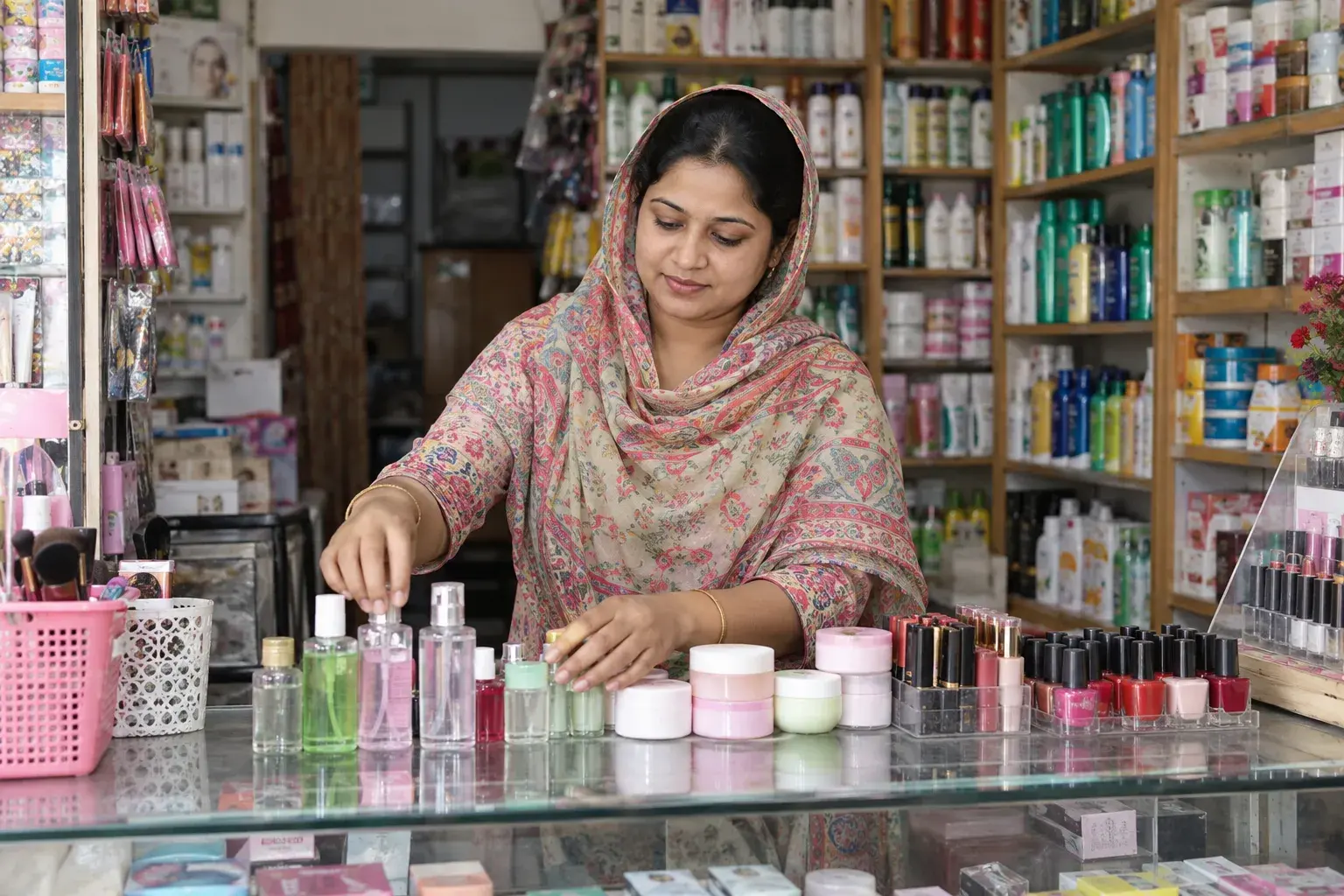
Cosmetics shop
A retail shop for creams, shampoo, face wash and make-up. At least 18 cosmetic categories are on BSTI's mandatory list, and uncertified or undocumented imported stock is the shopkeeper's liability.
- Capital
- ৳2 lakh – ৳15 lakh
- People
- 1 – 5
- First income
- 15 – 45 days
 Retail & wholesale
Optical shop (spectacles)
Buying frames and lenses and assembling spectacles over the counter. A complete ordinary pair retails at Tk 649 to Tk 5,400 (online prices, 21 Sep 2026). No BSTI certificate is needed; the trade licence is the only paper.
- Capital
- ৳2 lakh – ৳15 lakh
- People
- 1 – 4
- First income
- 15 – 60 days
 Retail & wholesale
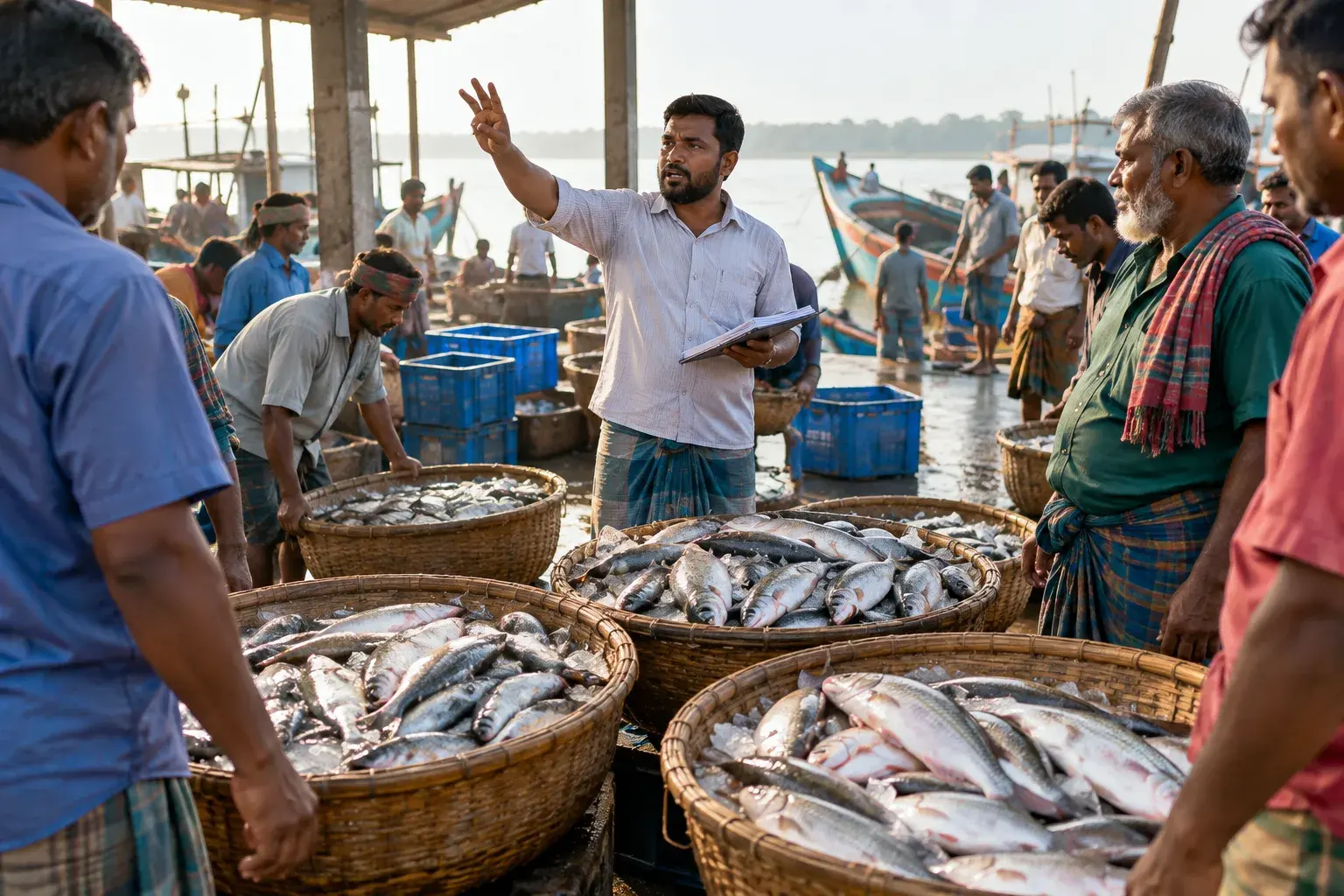
Fish wholesale arot
Auctioning farmers' fish on commission. The rate is about 3 per cent, and holding suppliers means giving interest-free advances - the money is in volume, not margin.
- Capital
- ৳2 lakh – ৳15 lakh
- People
- 3 – 12
- First income
- 15 – 60 days
 Retail & wholesale
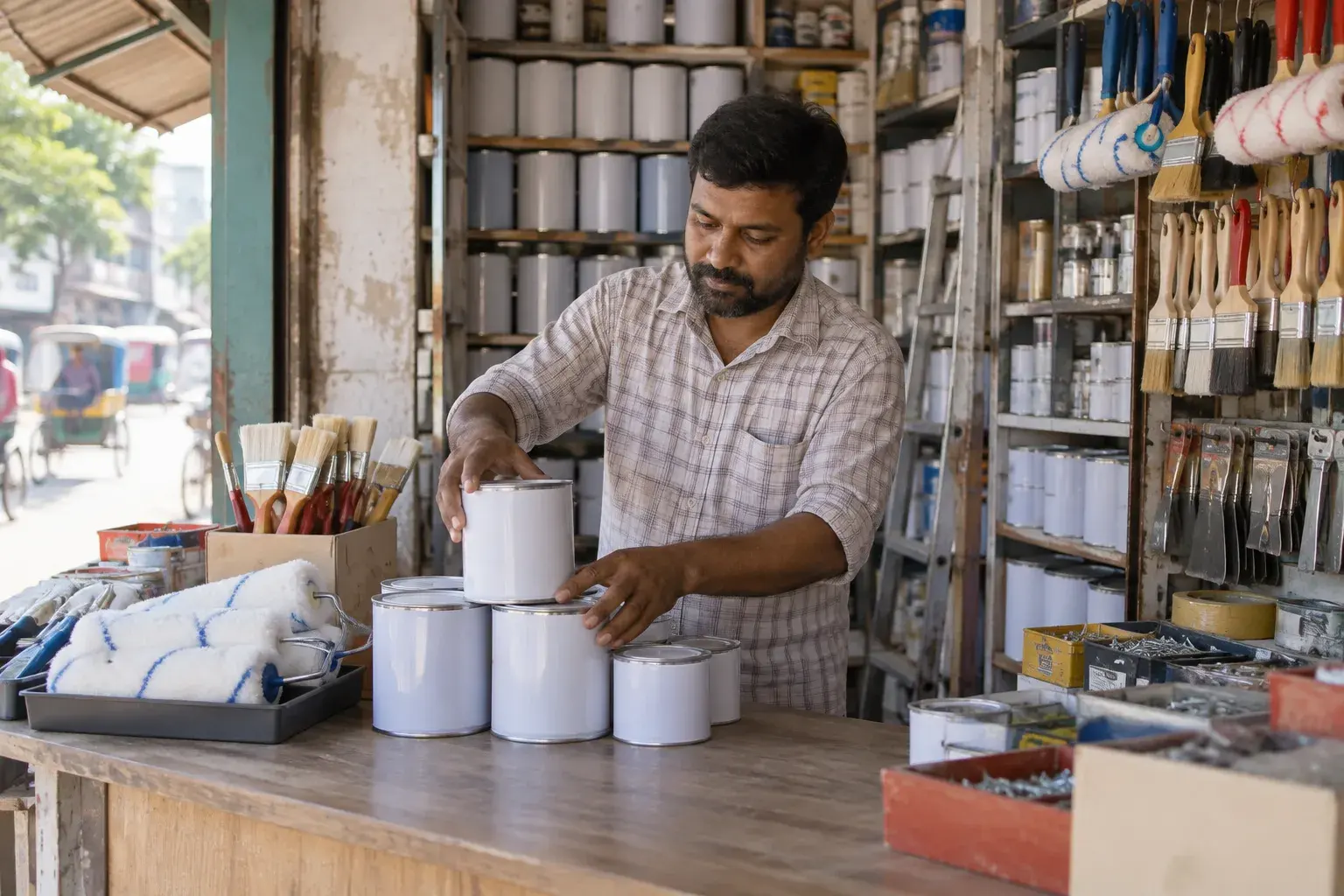
Paint and hardware shop
A retail shop selling paint, cement, rod, pipe, sanitary ware and tools. On 12-03-2026 a 50 kg bag of cement was Tk 475-520 and 60-grade rod Tk 87,000-88,500 a tonne, and these prices move week to week.
- Capital
- ৳2 lakh – ৳20 lakh
- People
- 1 – 6
- First income
- 15 – 60 days