
Sweet shop
Making sweets from chhana and selling them over a counter. Sweets run Tk 380-600 a kg and doi Tk 210-300 a litre, but milk is Tk 120-140 a litre, so the margin is the milk price.
- Last reviewed: 19 September 2026
- Version 1
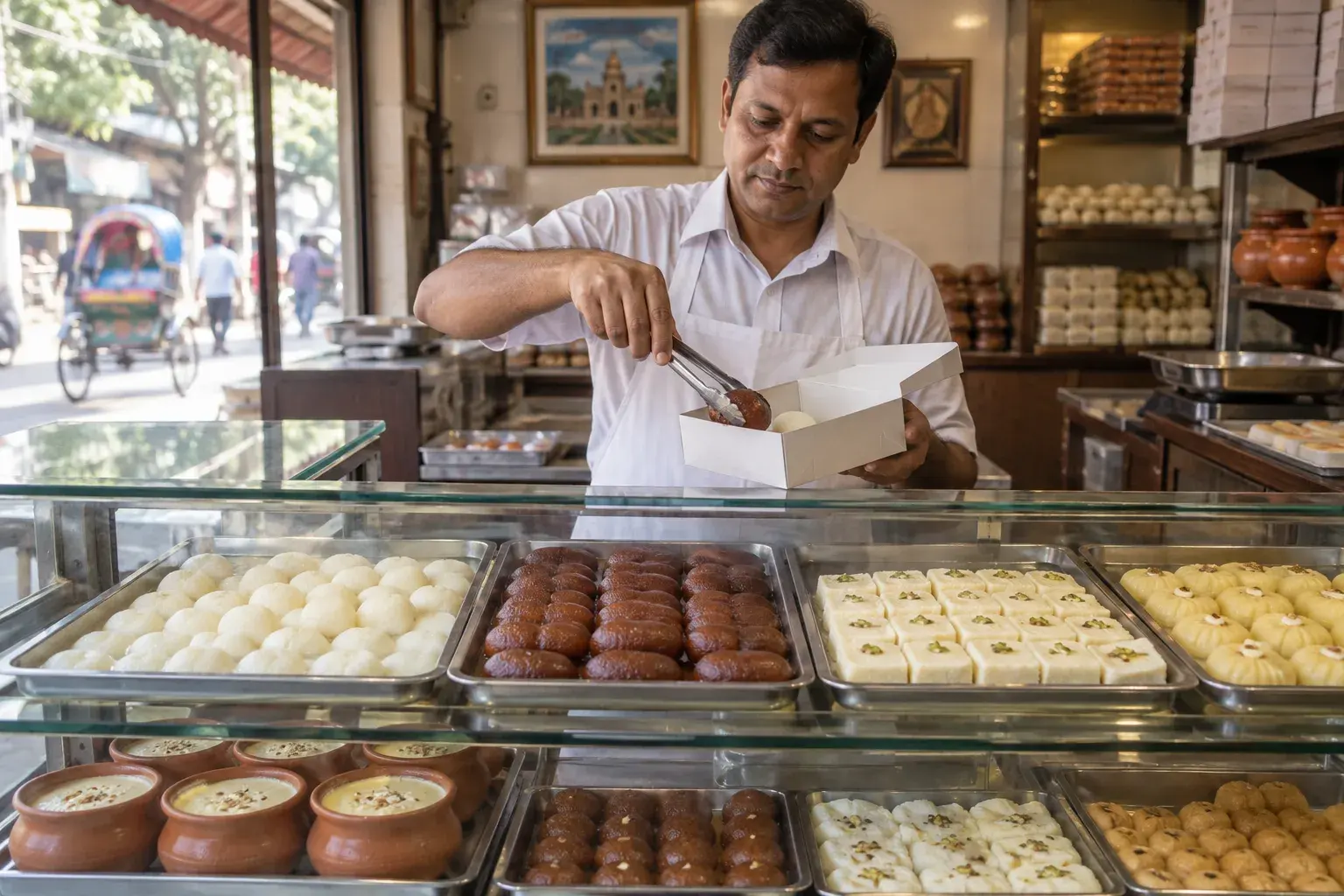
Sweet shop
- Starting capital
- ৳1,50,000 – ৳9,00,000 Editorial estimate
- Manpower
- 2 – 8 people
- First sale
- 14 – 45 days Editorial estimate
- Break-even
- 4 – 8 months Editorial estimate
- Kind of work
- Shop · Medium difficulty
About the business
Boiling milk, splitting it into chhana, cooking it in sugar syrup and selling the sweets over a counter. The whole economics sits on the milk price: the day milk rises the margin falls, and raising the sweet price loses customers. On 16 September 2026 Milk Vita's own online shop listed liquid milk at Tk 120-140 a litre, rosogolla at Tk 380 a kg, raw chhana sandesh at Tk 580 a kg, para sandesh at Tk 600 a kg, sweet doi at Tk 300 a litre and sour doi at Tk 210 a litre. Sugar was Tk 110-115 a kg and an LPG cylinder Tk 1,585. Good chhana comes only from milk with no water added, so the shop's real asset is a trusted milkman, not the halwai. The rules have tightened too: sweetmeat shops fall under Food Safety Authority registration at Tk 1,000 for three years, and anything sold in a sealed pack brings BSTI in, because both sweetmeats and chhana are on the mandatory certification list, with sample test fees of Tk 5,200 and Tk 4,000 and Tk 2,200 for fermented milk. Sweets last a day or two, and without a chiller whatever does not sell is a loss, so the shop runs on two numbers: how much milk to take in the morning, and how much is left on the tray at night.
Unit economics
| Item | Range | Evidence | Suggest a correction |
|---|---|---|---|
| Monthly working capital | ৳1,00,000 – ৳5,00,000 | Editorial estimate | |
| Selling price | ৳380 – ৳600 / kg | Market quote | |
| Variable cost | ৳280 – ৳460 / kg | Editorial estimate | |
| Gross margin | 23% – 26% | Editorial estimate | |
| Time to first revenue | 14 – 45 days | Editorial estimate | |
| Break-even time | 4 – 8 months | Editorial estimate | |
| Cash cycle | 0 – 30 days | Editorial estimate | |
| Waste / loss | 5% – 10% | Editorial estimate | |
| Daily capacity | 20 – 150 | Editorial estimate |
What you need to start
- Stoves and LPG (a 12 kg cylinder is Tk 1,585), large karahis, straining cloth, a marble slab, a lactometer, a glass display case and a chiller.Equipment
- Liquid milk is the biggest cost. Milk Vita's retail price is Tk 120-140 a litre (16 September 2026); buying direct from a milkman should be less, but that price could not be verified here. Sugar is Tk 110-115 a kg and milk powder Tk 620-960 a kg.Starting stock
- Fire licence from the Directorate of Fire Service and Civil Defence, unavoidable with open stoves and gas cylinders on the premises.Licence
- BSTI CM licence, needed only when sweets or doi are sold packed under a brand name. Sweetmeats (BDS 1811:2008) and chhana (BDS 1180:2016) are on the mandatory list. Sample test fees are Tk 5,200 for sweetmeats, Tk 4,000 for chhana and Tk 2,200 for fermented milk or doi.Licence
- Trade licence from the city corporation or municipality: form Tk 10, licence book Tk 50, standard tax Tk 30, stamp Tk 150-300, licence fee Tk 100-60,000, issued in 3-5 working days.Licence
- Bangladesh Food Safety Authority registration. Under the Food Safety (Registration and Licensing) Regulations 2026 sweetmeat shops must register: Tk 1,000 new, Tk 500 renewal, valid three years.Licence
- The halwai's hand: how long to boil the chhana, how thick the syrup, how long the sweets sit in it. It is learnt only by working in another shop.Skill
- Three or four milk suppliers or a dairy cooperative, so the morning milk does not stop when one drops out.Supplier
How the work is done
- 1Pick the location: a market corner, a bus stand or a main road, where people buy while passing.
- 2Take the trade licence from the city corporation or municipality with sweet making and selling named on it.
- 3Register with the Food Safety Authority, which covers sweetmeat shops: Tk 1,000 new, Tk 500 renewal, three years, with a physical kitchen inspection.
- 4Take the fire licence from Fire Service and Civil Defence, and TIN and VAT registration from NBR.
- 5Fix the milk supply with three or four suppliers or a dairy cooperative, not one or two. Depend on a single source and you have no answer when he raises the price or waters the milk.
- 6Buy a lactometer and test every delivery, every day. Watered milk yields less chhana; the loss does not show in a day, it shows at month end.
- 7Install stoves, large karahis, straining cloth, a marble slab, a display case and a chiller. An LPG cylinder is now Tk 1,585; keep a written count of how many go a month.
- 8Hire a good halwai. The taste lives in one man's hands and customers follow him out of the door, so from the start have him teach a second.
- 9Write down every day what sold and what was left, and set the next day's milk order from that number.
- 10Run doi as a separate line: it keeps longer than sweets, and sour doi and sweet doi have different buyers.
- 11Take wedding, aqiqah and office orders, but take an advance. Credit on a big order locks up next week's milk money.
- 12Before packing sweets to send outside, check BSTI's rules: sweetmeats and chhana are both on the mandatory certification list, and packaged goods need a separate registration certificate.
Seasons
- JanHigh
- FebHigh
- MarHigh
- AprHigh
- MayHigh
- JunNormal
- JulLow
- AugLow
- SepNormal
- OctHigh
- NovHigh
- DecHigh
Where it works well
- Strong fitBogura · Bogura's doi is a national name, so the district itself does half the selling, though competition is fiercest here.
- Strong fitCumilla · Cumilla's rosmalai is a known product and Dhaka-Chattogram highway traffic is a large buyer.
- Strong fitDhaka · Dense population with year-round events and office orders, and the most branded outlets including Milk Vita, so prices are easy to benchmark.
- Strong fitNatore · Natore's kachagolla has a name, and milk supply in the surrounding area is good.
- Strong fitTangail · Porabari chomchom is this district's identity, and highway travellers stop and buy it as a matter of habit.
- PossibleChattogram · A large city with many event orders, but milk comes from outside so costs run higher.
- PossibleMymensingh · Milk is available, and the university and office areas give steady orders.
- PossibleNetrokona · Netrokona's balish mishti has a name, but the market is small and sending it out is hard.
- PossiblePabna · A milk district, though local purchasing power is lower than Dhaka's.
- PossibleSirajganj · A dairy cooperative area where raw milk is comparatively cheap and regular.
Risks and cautions
- HighSpoilage: Sweets last a day or two and doi three or four. Without a chiller, or in a power cut, whatever is left is a total loss valued at the milk price of Tk 120-140 a litre. Spoilage peaks in the hot months, which are also the slow months.
- HighDependency: There is no shop without milk, and both its price and its quality sit with the supplier. Watered milk yields less chhana for the same money, a loss that is invisible daily and shows up only when the month's books do not add up. Without a lactometer you cannot even catch it.
- HighDemand: Sales multiply at festivals and in the wedding season and fall away in mid-summer. The peaks need extra milk and extra hands that the rest of the year does not pay for, and a shop that plans around festival takings cannot make the rent in the empty months.
- MediumCompliance: Food Safety Authority registration involves a physical kitchen inspection, and mobile courts visit sweet shops regularly, where colouring, stale stock and dirty kitchens are what get caught. Selling in packs brings in both the BSTI certification mark and the packaged-commodity registration; trading packed goods without the latter carries up to Tk 20 lakh in fines and up to five years in prison.
- MediumWorking capital: Milk is paid for daily or weekly, but the money from wedding and office orders arrives after the event. Without an advance, one large order can stop next week's milk purchase.
Sources
- Collected: 16 Sept 2026
Supports: Starting capital · বাংলাদেশ
মেট্রোলজি উইং-এর আইনগত কার্যক্রম — ওজন ও পরিমাপ মানদণ্ড আইন, ২০১৮ এবং পণ্যমোড়কজাতকরণ নিবন্ধন সনদ
Collected: 16 Sept 2026Supports: Starting capital · বাংলাদেশ
সারণী-২: পণ্যের পরীক্ষণ ফি'র তালিকা, রসায়ন পরীক্ষণ উইং (ফুড, কেমিক্যাল ও হালাল ডিভিশন)
Collected: 16 Sept 2026Supports: Starting capital · বাংলাদেশ
সিটি কর্পোরেশন থেকে ট্রেড লাইসেন্স প্রাপ্তির ধাপ সমূহ
Collected: 16 Sept 2026Supports: Starting capital, Time to first revenue · বাংলাদেশ
- Collected: 15 Sept 2026
Supports: Starting capital · ঢাকা মহানগর — সিপাহীবাগ, মিরপুর-৬, মোহাম্মদপুর টাউন হল, নিউমার্কেট, রামপুরা, মহাখালী বাজার
দৈনিক বিভাগীয় খুচরা বাজারদর — ঢাকা, ১৫-০৯-২০২৬ (দুধ গুঁড়া পলিপ্যাক ৳৬২০–৯৩০ প্রতি কেজি)
Collected: 15 Sept 2026Supports: Starting capital · ঢাকা
LPG price cut by Tk 13, 12kg cylinder now Tk 1,585 (BERC, কার্যকর ২ সেপ্টেম্বর ২০২৬)
Collected: 2 Sept 2026Supports: Starting capital · বাংলাদেশ
All food businesses now need safety registration
Collected: 22 Jul 2026Supports: Starting capital · বাংলাদেশ
What changed
No corrections have been published yet.
Questions and answers
No questions yet. Be the first to ask.
Stories about this business
After a cyclone and the river, a sweet shop rebuilt on a 60,000-taka loan
Cyclone Amphan on 20 May 2020 wrecked the shop and the house, and the Kopotakkho river later took the homestead. A 60,000-taka loan last year rebuilt a small sweet shop, against a 3,000-taka monthly instalment.
- Capital
- ৳60k
- Reasons
- Other, Working capital
Similar businesses
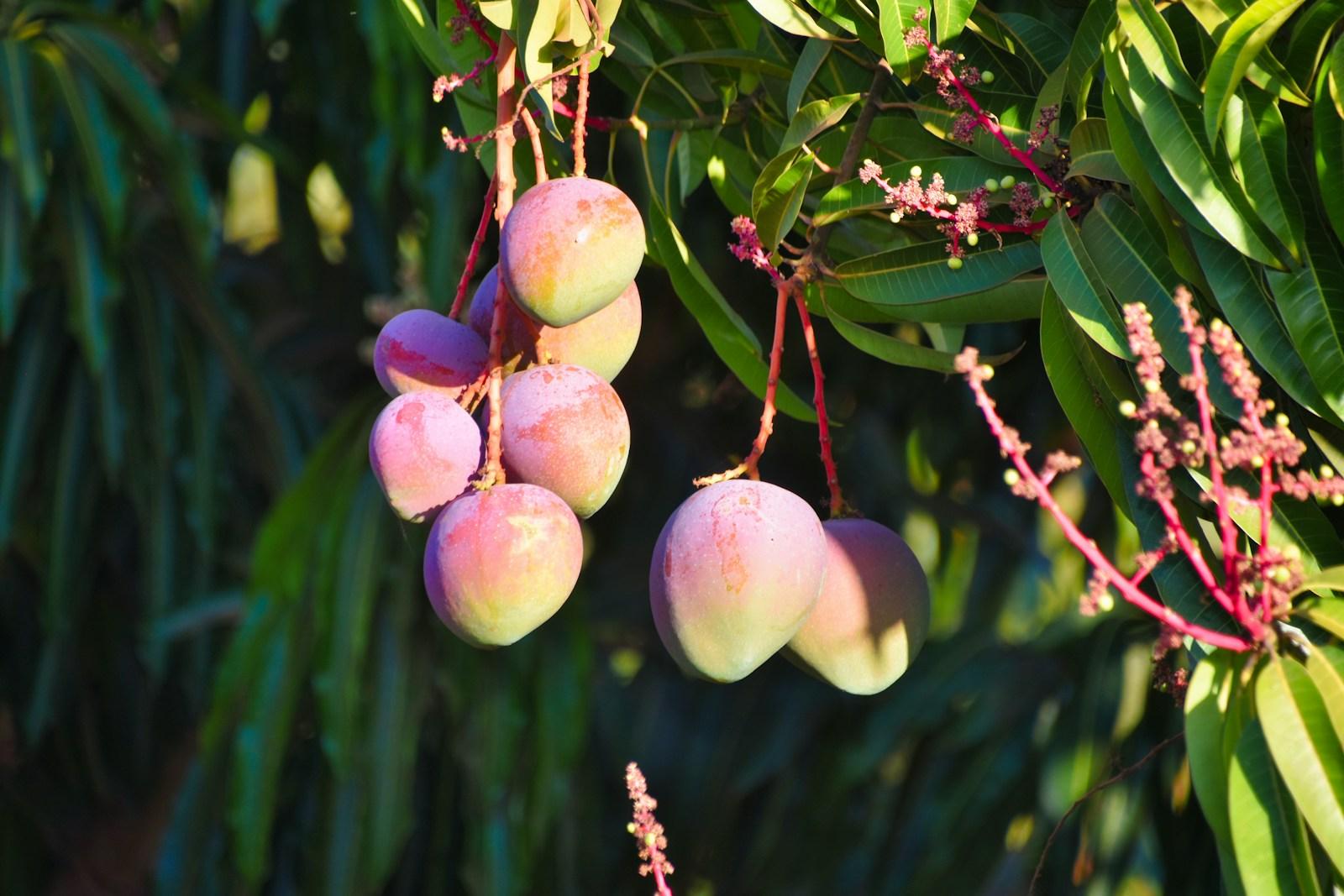 Food processing
Dried mango production
Buy raw mango at ৳15–40/kg in season, dry it and sell all year. 8–10 kg of fresh mango makes 1 kg dried.
- Capital
- ৳1.5 lakh – ৳4 lakh
- People
- 2 – 4
- First income
- 30 – 60 days
 Food processing
Honey processing and bottling
Buying raw honey from keepers, straining and bottling it under your own label. Bottled honey runs Tk 800-2,100 a kg, but a BSTI CM licence is compulsory and the sample test alone is Tk 7,500.
- Capital
- ৳1.5 lakh – ৳8 lakh
- People
- 2 – 6
- First income
- 45 – 150 days
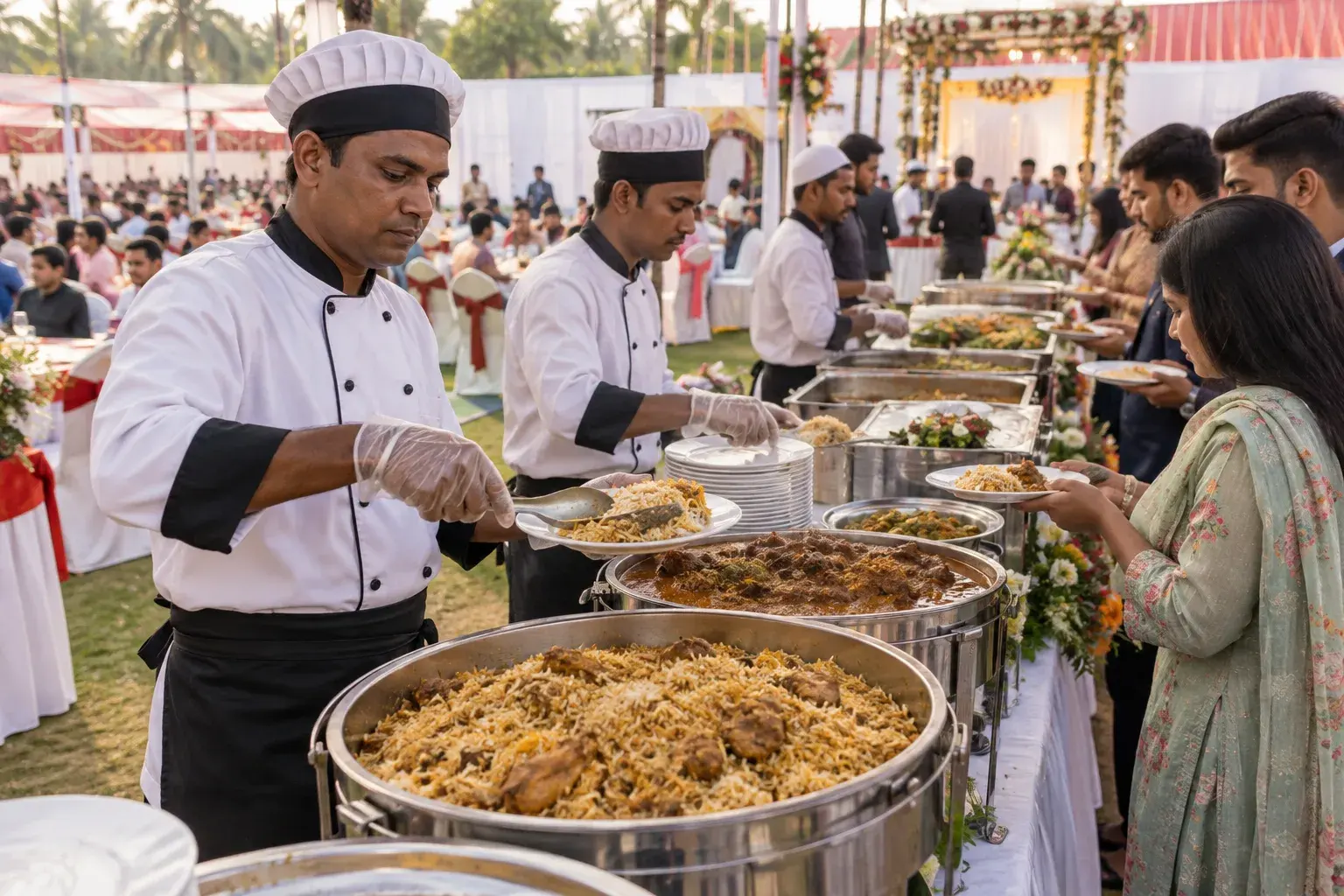 Food processing
Event catering
Cooking and serving for three to five hundred guests at events. The booking advance comes first, but catering services carry 15 percent VAT, not the restaurant's 5 percent.
- Capital
- ৳1.5 lakh – ৳8 lakh
- People
- 5 – 25
- First income
- 14 – 30 days
 Food processing
Chanachur and snack making
Goods go to shops on credit and the money comes back in 15-30 days, so working capital is the limit, not the machine. Branded chanachur is Tk 300-333 a kg; a small maker has to sell at Tk 200-250.
- Capital
- ৳1.5 lakh – ৳8 lakh
- People
- 2 – 12
- First income
- 30 – 130 days