
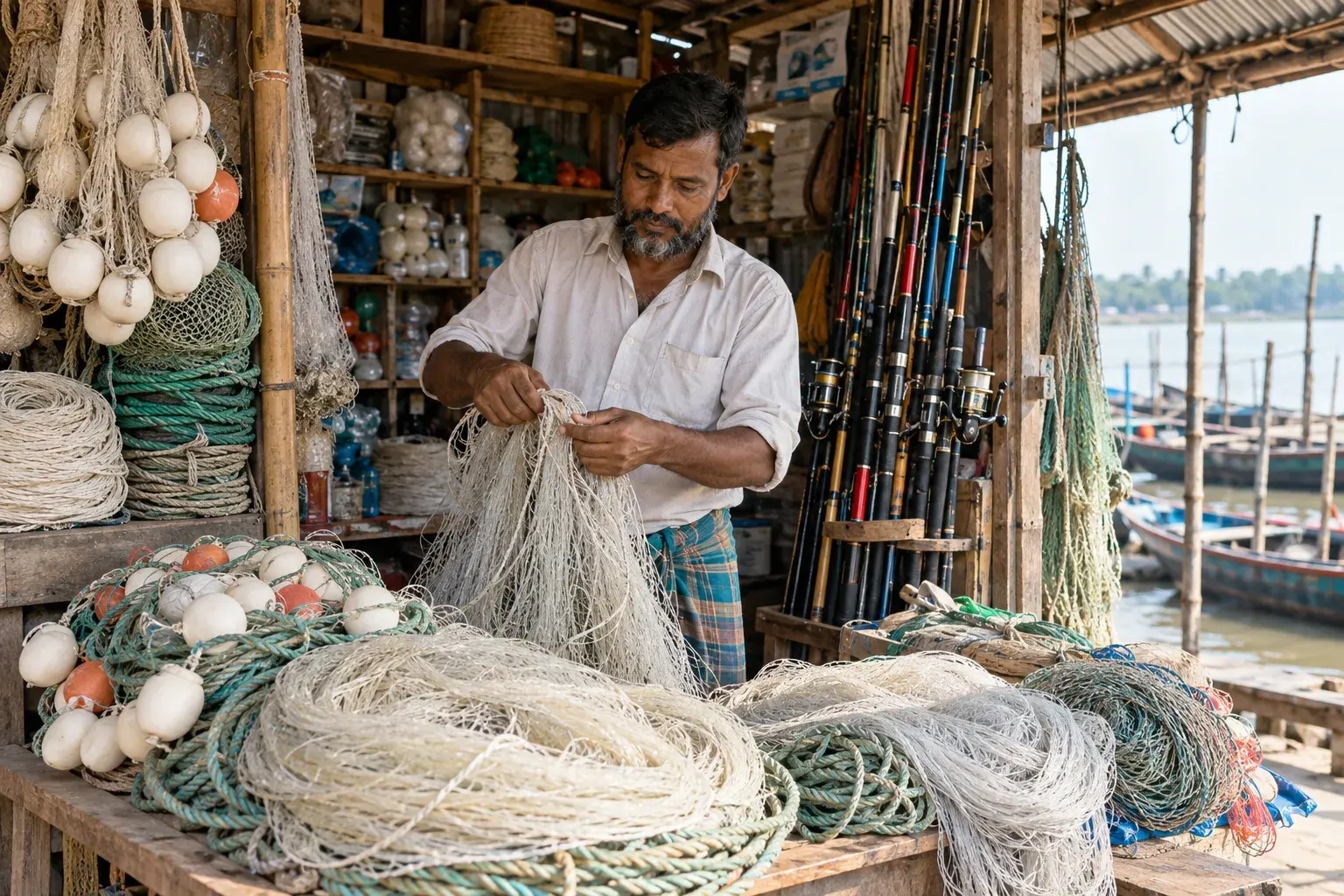
Fishing gear shop
Selling hooks, rods, reels, nets and fish medicine. Rods Tk 455-1,552, reels Tk 641-6,705. Current jal and China duari nets are illegal - stocking them means seizure and a mobile court.
- Last reviewed: 19 September 2026
- Version 1
Fishing gear shop
- Starting capital
- ৳1,20,000 – ৳6,00,000 Editorial estimate
- Manpower
- 1 – 3 people
- First sale
- 20 – 50 days Editorial estimate
- Break-even
- 8 – 14 months Editorial estimate
- Kind of work
- Shop · Easy
About the business
A shop selling hooks, rods, reels, line, nets, traps and fish feed and medicine. There are two kinds of buyer: pond fish farmers and hobby anglers. The farmer brings the large orders - harvesting nets, feeding trays, lime and medicine, a drag rope. The hobbyist comes often but buys small, a packet of hooks or a spool of line. On 16 September 2026 the Daraz catalogue showed, from named sellers, carbon fibre rods at Tk 455-1,552, reels from Tk 641 to Tk 6,705, a box of hooks at Tk 118-423 and a local five-layer bhodaor net at Tk 470. But the most important thing about this shop is not price, it is law. Monofilament current jal and China duari nets are prohibited under the fisheries conservation rules. Selling them brings a mobile court, and the nets are seized and burned. Between July and September 2026 raids ran one after another in Bhairab, Kurigram, Sirajganj, Netrokona, Thakurgaon, Gaibandha, Bagerhat, Brahmanbaria and Munshiganj; in Munshiganj a net-making factory itself was raided and 42,000 reels of thread seized. A shop that keeps current jal on the back shelf for the extra margin can be shut down on any given day.
Unit economics
| Item | Range | Evidence | Suggest a correction |
|---|---|---|---|
| Monthly working capital | ৳60,000 – ৳3,00,000 | Editorial estimate | |
| Selling price | ৳118 – ৳6,705 / unit | Market quote | |
| Variable cost | ৳85 – ৳5,000 / unit | Editorial estimate | |
| Gross margin | 25% – 28% | Editorial estimate | |
| Time to first revenue | 20 – 50 days | Editorial estimate | |
| Break-even time | 8 – 14 months | Editorial estimate | |
| Cash cycle | 0 – 45 days | Editorial estimate | |
| Waste / loss | 2% – 8% | Editorial estimate | |
| Daily capacity | 4 – 25 | Editorial estimate |
What you need to start
- Rods and reels, hooks in many sizes, nylon and braided line, floats and sinkers, artificial lures, cast, seine and hapa nets, fry transport containers, oxygen tablets, lime, fish feed and medicines.Starting stock
- Trade licence from the municipality, city corporation or union parishad: form Tk 10, licence book Tk 50, standard tax Tk 30, non-judicial stamp Tk 150-300, licence fee Tk 100-60,000 by trade type, plus VAT and signboard fee.Licence
- Prohibited nets must not be stocked or sold. Current jal and China duari nets are banned under the fisheries conservation rules; the upazila fisheries department, BGB and mobile courts raid regularly, seize and burn the nets and impose fines. Which nets and mesh sizes are legal must be confirmed in writing with the upazila fisheries officer.Licence
- Knowing which net and mesh size suits which pond, spooling a reel, tying hooks, and picking the right medicine from a description of the fish disease.Skill
- Wholesale shops in Chawkbazar and old Dhaka, the legal net-weaving clusters of Narsingdi and Kishoreganj, and the local dealers of fish feed and medicine companies.Supplier
- A 100-300 square foot shop in an upazila bazaar or beside the fish arot, with space to hang nets, small shelves for line and hooks, and a dry shaded corner for medicines.Workspace
How the work is done
- 1Look for a shop in an upazila bazaar near ponds, ghers or a river or haor. Next to the fish arot you get both the farmers and the fishermen.
- 2Take the trade licence from the municipality or union parishad and pay the signboard fee.
- 3Go to the upazila fisheries officer and get in writing which nets are legal, what mesh sizes are allowed, and in which months which nets are banned. Skip this one step and everything else is at risk.
- 4Never stock current jal or China duari nets, not even on a back shelf. They are prohibited, seized by mobile courts and burned.
- 5Decide who the shop is for before buying stock. For farmers it is nets, feed and medicine; for hobbyists it is rods, reels, hooks and bait. Doing both at once scatters the capital.
- 6Stock what the fish farmer needs: hapa and fry nets, lime, feeding trays, cast and seine nets, oxygen tablets and fish medicines.
- 7Find the local angling clubs and their Facebook groups. They buy in groups and place large orders together before a competition.
- 8Offer line spooling, rod repair and hook tying. The labour charge is small but it is what brings the customer back to your shop.
- 9Check the expiry on fish medicine and feed every month and sell the oldest stock first. Once expired the whole amount is a loss.
- 10Bring the big consignment in Choitro and Boishakh before the monsoon, and stop selling nets during the hilsa breeding ban, when raids are heaviest.
Seasons
- JanNormal
- FebNormal
- MarHigh
- AprHigh
- MayHigh
- JunHigh
- JulHigh
- AugHigh
- SepNormal
- OctLow
- NovNormal
- DecNormal
Where it works well
- Strong fitBagerhat · A shrimp gher and fish farming area, though it is also where raids on illegal nets are heaviest.
- Strong fitJashore · The Chanchra hatchery belt and extensive ghers give year-round demand for fry and farming gear.
- Strong fitKishoreganj · A haor district with both professional fishermen and legal net-weaving work.
- Strong fitMymensingh · The country's largest fish farming belt, with countless ponds and hatcheries around Trishal, Fulpur and Bhaluka.
- Strong fitSunamganj · Vast wetlands including Tanguar Haor, with heavy demand for nets and hooks.
- PossibleBogura · Pond farming and fry production, and the northern trading hub as well.
- PossibleChandpur · Hilsa country, but sales must stop completely during the breeding ban months.
- PossibleCumilla · Widespread pond fish farming and easy supply along the highway.
- PossibleKhulna · Both ghers and rivers, and a divisional town with many hobby anglers.
Risks and cautions
- HighCompliance: Current jal and China duari nets are banned, yet many shops hide them because the margin is better. Between July and September 2026 raids ran in Bhairab, Kurigram, Sirajganj, Netrokona, Thakurgaon, Gaibandha, Bagerhat, Brahmanbaria and Munshiganj; on 10 September 2026 a net-making factory in Munshiganj was raided and 42,000 reels of thread and 5,000 square metres of net seized. Seized nets are burned, so the whole amount is lost, plus the fine and the shop closure.
- HighDemand: Sales are tied to the season. Nets and hooks move in the monsoon and the months before it, and farmers buy when they stock fry. In the dry season and during the hilsa breeding ban sales nearly stop, but the rent still has to be paid.
- MediumLate payment: Fish farmers take nets, feed and medicine on credit and pay after selling the harvest. If disease hits, the pond floods or the fish price falls, that receivable hangs on into the next season.
- MediumSpoilage: Fish medicines carry expiry dates and cannot be returned once past. Nylon line and netting go brittle in the sun, and hooks and reels rust in the humidity. The risk grows with the share of capital held in medicine and feed.
- MediumDependency: Nearly all the better rods, reels and lures are imported, and some come direct from China through online marketplaces. A rise in the dollar lifts prices, and if the hobbyist finds the same item cheaper online he does not come to the shop at all.
Sources
সিটি কর্পোরেশন থেকে ট্রেড লাইসেন্স প্রাপ্তির ধাপ সমূহ
Collected: 16 Sept 2026Supports: Starting capital · বাংলাদেশ
What changed
No corrections have been published yet.
Questions and answers
No questions yet. Be the first to ask.
Similar businesses
 Retail & wholesale
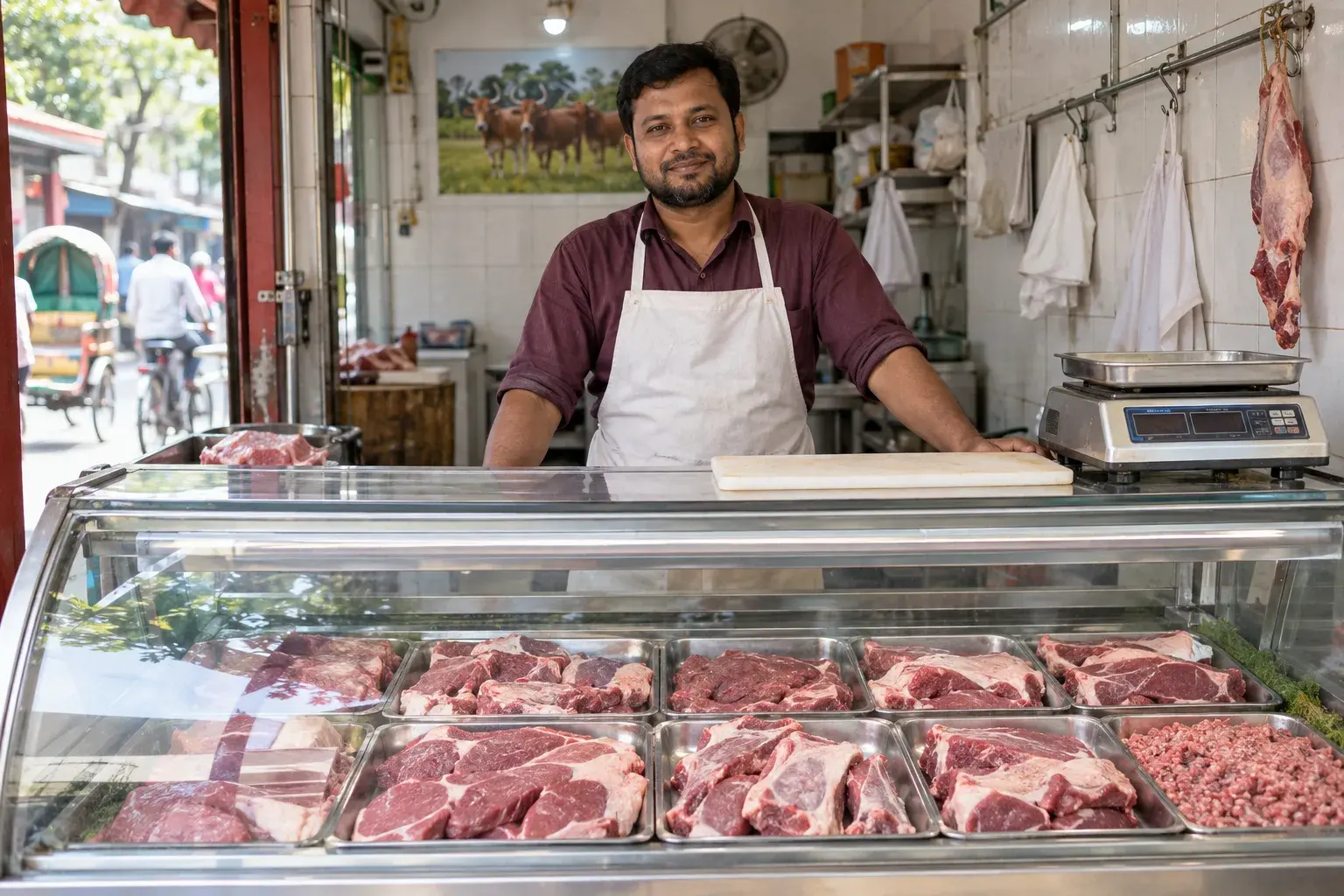
Meat retail shop
Buying, cutting and selling meat fresh daily. Dhaka beef is Tk 780-850/kg and mutton Tk 1,200-1,350/kg, and selling without the 'tested' seal now closes the shop.
- Capital
- ৳1.2 lakh – ৳5 lakh
- People
- 1 – 4
- First income
- 15 – 45 days
 Retail & wholesale
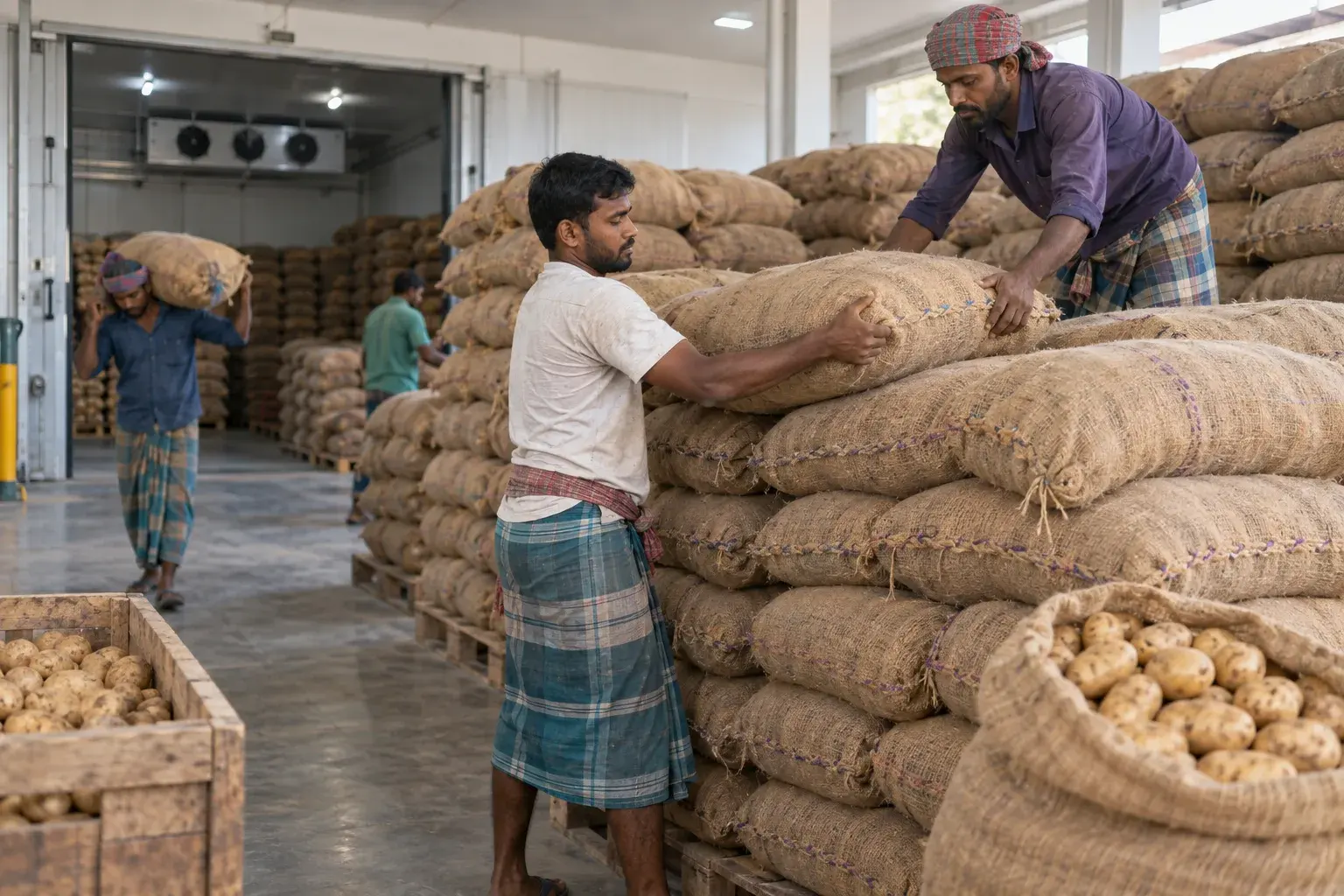
Potato storage trading
Buying potatoes at harvest, storing them cold and selling later. Rent is capped at Tk 6.00/kg, but in 2026 a 60 kg sack cost Tk 1,150-1,300 and sold for Tk 800-870.
- Capital
- ৳1.2 lakh – ৳6.5 lakh
- People
- 1 – 3
- First income
- 150 – 270 days
 Retail & wholesale
Betel nut trading
Buying betel nut from households and selling at the hat, or soaking and drying it to sell later. In Lakshmipur in October 2025 a kaun fetched Tk 2,500-2,800 and a pon Tk 150-250.
- Capital
- ৳1 lakh – ৳25 lakh
- People
- 1 – 8
- First income
- 1 – 240 days
 Retail & wholesale
Clothing and boutique shop
A shop selling fabric and ready-made clothes. Cotton runs Tk 300-700 a yard in Dhaka, and most of the year's takings arrive in the last ten days of Ramadan.
- Capital
- ৳1 lakh – ৳8 lakh
- People
- 1 – 5
- First income
- 15 – 45 days