
Sheep rearing
Rearing sheep on open grazing in fields and chars. Before Qurbani 2026 one Joypurhat farmer sold 26 sheep for Tk 2,30,000, about Tk 8,800 each.
- Last reviewed: 19 September 2026
- Version 1
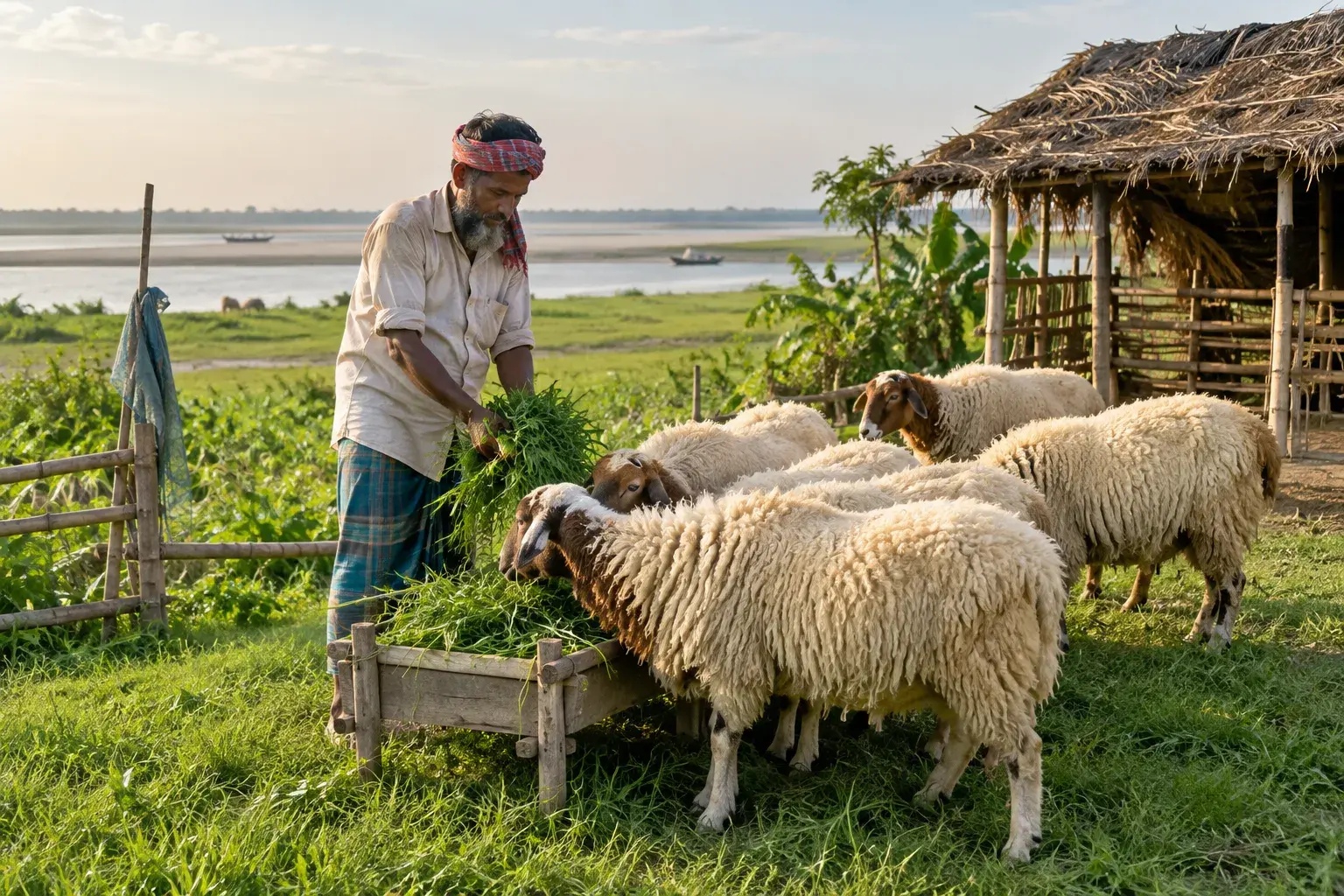
Sheep rearing
- Starting capital
- ৳30,000 – ৳2,50,000 Editorial estimate
- Manpower
- 1 – 3 people
- First sale
- 180 – 365 days Editorial estimate
- Break-even
- 12 – 24 months Editorial estimate
- Kind of work
- Farm · Easy
About the business
Sheep rearing is the cheapest livestock keeping in Bangladesh. Sheep grow on grass from fields, riverbanks, chars and roadsides; they need no bought concentrate feed the way cattle do, and they fall sick less often than goats. A ewe usually lambs more than once a year, so the flock grows by itself. Ashik Chowdhury of Panchbibi in Joypurhat started with one sheep his grandmother gave him as a child and built a flock of 98 over a little more than a decade; before Eid-ul-Azha in 2026 he sold 26 sheep for Tk 2,30,000, an average of about Tk 8,800 each. The Department of Livestock Services counts 40.60 lakh sheep in Bangladesh in FY 2025-26, up from 39.81 lakh the year before. But over the same period there were 2.74 crore goats - nearly seven times as many. That ratio is the market truth: mutton from goat dominates the Bangladeshi meat trade, sheep meat is a small share beside it, and in many areas buyers are simply not used to it. So the real strength of sheep is low cost, not high income. The rearing concentrates in the north-west and on river chars, because that is where the open grazing is.
Unit economics
| Item | Range | Evidence | Suggest a correction |
|---|---|---|---|
| Monthly working capital | ৳2,000 – ৳10,000 | Editorial estimate | |
| Selling price | ৳8,000 – ৳9,000 / unit | Practitioner verified | |
| Variable cost | ৳1,500 – ৳4,500 / unit | Editorial estimate | |
| Gross margin | 50% – 81% | Editorial estimate | |
| Time to first revenue | 180 – 365 days | Editorial estimate | |
| Break-even time | 12 – 24 months | Editorial estimate | |
| Cash cycle | 180 – 365 days | Editorial estimate | |
| Waste / loss | 5% – 12% | Editorial estimate | |
| Daily capacity | 98 | Practitioner verified |
What you need to start
- Breeding ewes and a ram. Purchase prices could not be found in this research; only a sale price is evidenced - an average of about Tk 8,800 each in Joypurhat before Qurbani 2026.Starting stock
- Trade licence from the city corporation or municipality if run as a commercial farm: form Tk 10, licence book Tk 50, standard tax Tk 30, stamp Tk 150-300, licence fee Tk 100-60,000. It is needed to apply for a bank loan or incentive.Licence
- Registration and regular contact with the upazila livestock office. The Panchbibi upazila livestock officer says his office gives farmers regular technical support. The fee and registration procedure could not be verified here; check with the local office.Licence
- Grazing the flock, handling lambing, spotting disease and separating the animal fast, and keeping to the vaccination schedule. It can be started without experience, but recognising disease must be learned.Skill
- The local livestock haat and neighbouring farms for lambs and breeding stock, and the upazila livestock office for vaccines and medicine.Supplier
- Open grazing - field, riverbank or char - plus a raised, dry, ventilated night shelter. A bamboo and tin shed is sufficient.Workspace
How the work is done
- 1Check the grazing first. The entire advantage of sheep comes from grass on open fields, riverbanks and chars. If you have to buy feed, the low-cost logic of this business disappears.
- 2Meet the upazila livestock officer. The Panchbibi officer says his office gives farmers regular technical support - vaccination, deworming and treatment when disease appears all come from there.
- 3Start with a few. Successful keepers start small because the flock multiplies itself. Ashik Chowdhury started with a single sheep.
- 4Choose local breeds. Stock already used to the area's weather and grass falls sick less and lambs more. When buying at a haat, check teeth, legs and frame.
- 5Build a raised, dry night shelter. Sheep kept wet and muddy get foot and skin disease. A simple bamboo and tin shed is enough, but the floor must stay dry.
- 6Vaccinate and deworm on schedule. Because the flock stays together, one animal's disease spreads to all of them fast - and that single fact can wipe out a large flock overnight.
- 7Plan your selling three or four months before Eid-ul-Azha. That is when the year's best price is available; Ashik Chowdhury took Tk 2,30,000 for 26 sheep at that time.
- 8Do not depend on Eid alone. Keep three other routes open - meat shops, haat traders and selling lambs to new keepers - or your income will come once a year.
- 9Keep a book of births, vaccinations and sales for each animal. Without knowing which ewe lambs most often you cannot tell which to keep and which to sell.
Seasons
- JanNormal
- FebNormal
- MarNormal
- AprNormal
- MayHigh
- JunHigh
- JulNormal
- AugNormal
- SepNormal
- OctNormal
- NovNormal
- DecNormal
Where it works well
- Strong fitJoypurhat · Documented commercial rearing in Panchbibi upazila with a 98-head flock, and the upazila livestock office provides technical support.
- Strong fitKurigram · Wide open land on the Brahmaputra and Teesta chars - low-capital livestock for char households.
- Strong fitNaogaon · Open fields and lower rainfall in the north-west, with livestock haats nearby.
- Strong fitRajshahi · The dry open land of the Barind tract suits sheep, and rearing has spread among rural women there.
- PossibleChapai Nawabganj · Dry Barind land with grazing on the Padma chars.
- PossibleGaibandha · Plenty of char grazing and many low-capital keepers.
- PossibleLalmonirhat · Open land on the Teesta chars, with fields free after the winter crop.
- PossibleNilphamari · Open northern fields with lower population density.
- PossiblePabna · Open char land on the Padma and Jamuna with a dense network of livestock haats.
- PossibleSirajganj · Extensive grazing on the Jamuna chars.
Risks and cautions
- HighDemand: Sheep hold a small place in the market, and that is the real ceiling here. DLS records 40.60 lakh sheep in FY 2025-26 against 2.74 crore goats, nearly seven times as many. Goat mutton dominates the Bangladeshi meat trade and in many areas buyers are not used to sheep meat, so outside the Qurbani season a regular buyer can be hard to find.
- HighDependency: Disease takes the whole flock at once. Sheep graze together and shelter together, so infection from one animal spreads to all of them fast. A flock built over a decade can be gone in weeks, and there is no insurance or compensation scheme for sheep.
- MediumDemand: The income arrives once a year. Most selling happens in the few weeks before Eid-ul-Azha, so if prices fall then or the animals do not sell, the whole year's arithmetic collapses while feed and medicine costs run all twelve months.
- MediumOther: Grazing land is shrinking. Fields, riverbanks and char land are going under crops and settlement, and grazing in the open brings disputes over crop damage. Lose the grazing and the low-cost advantage of sheep goes with it.
Sources
Livestock Statistics at a Glance (2025-2026)
Collected: 16 Sept 2026Supports: Starting capital · বাংলাদেশ
সিটি কর্পোরেশন থেকে ট্রেড লাইসেন্স প্রাপ্তির ধাপ সমূহ
Collected: 16 Sept 2026Supports: Starting capital · বাংলাদেশ
What changed
No corrections have been published yet.
Questions and answers
No questions yet. Be the first to ask.
Stories about this business
Five sheep for 17,000 taka became 90, and 30,000 taka a month
Five sheep bought for 17,000 taka in February 2017 with money from selling rice became 13 in the first year and 90 now, earning about 30,000 taka a month after costs.
- Capital
- ৳17k
- Reasons
- Working capital, Good location
Similar businesses
 Agriculture & farming
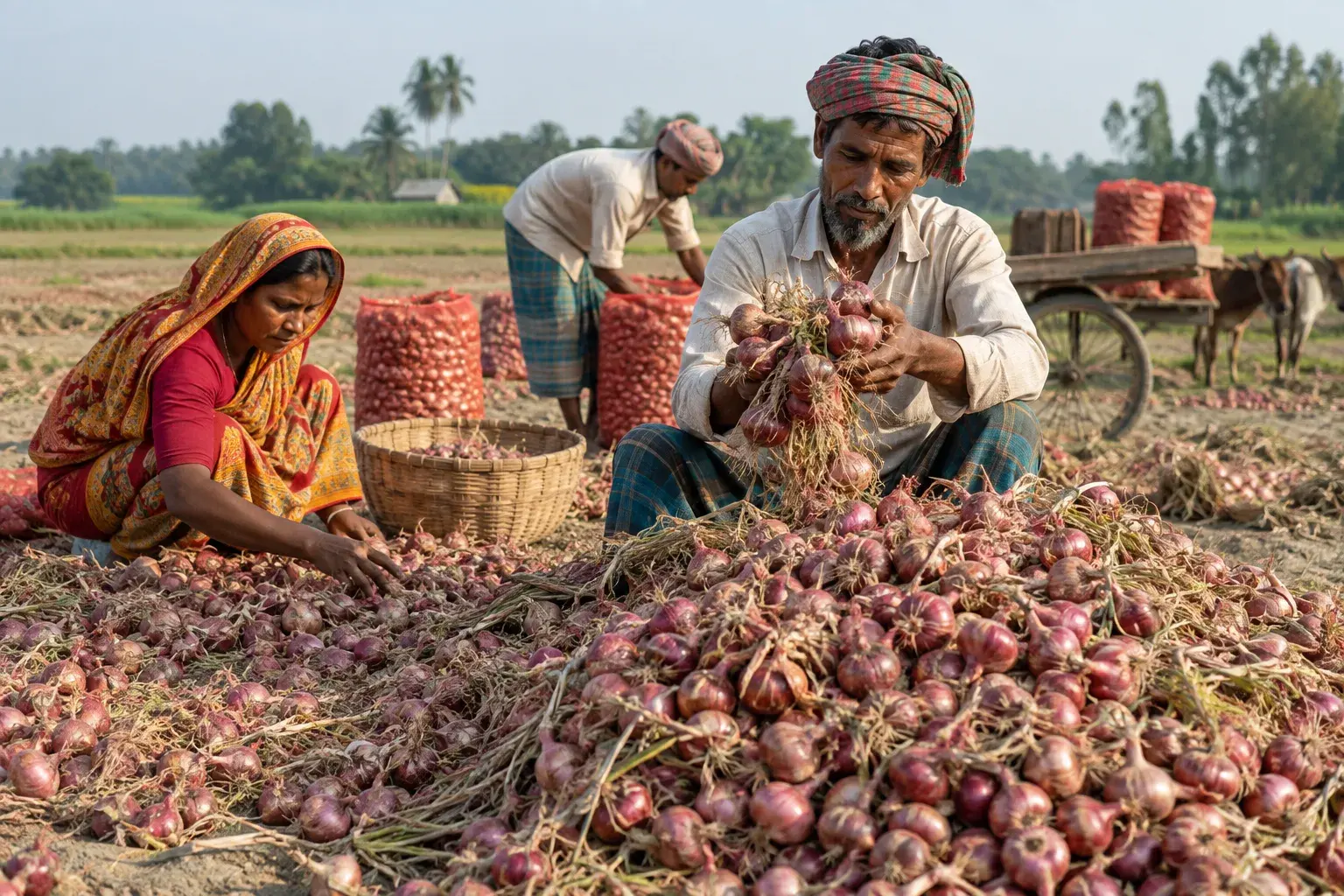
Onion farming
Two crops in one year, muri-kata and hali. Local onion averaged Tk 41.82 a kg wholesale nationally in August 2026, but at harvest farmers got Tk 700-1,100 a maund against a cost of Tk 1,400-1,600.
- Capital
- ৳30k – ৳2.5 lakh
- People
- 2 – 10
- First income
- 90 – 150 days
 Agriculture & farming
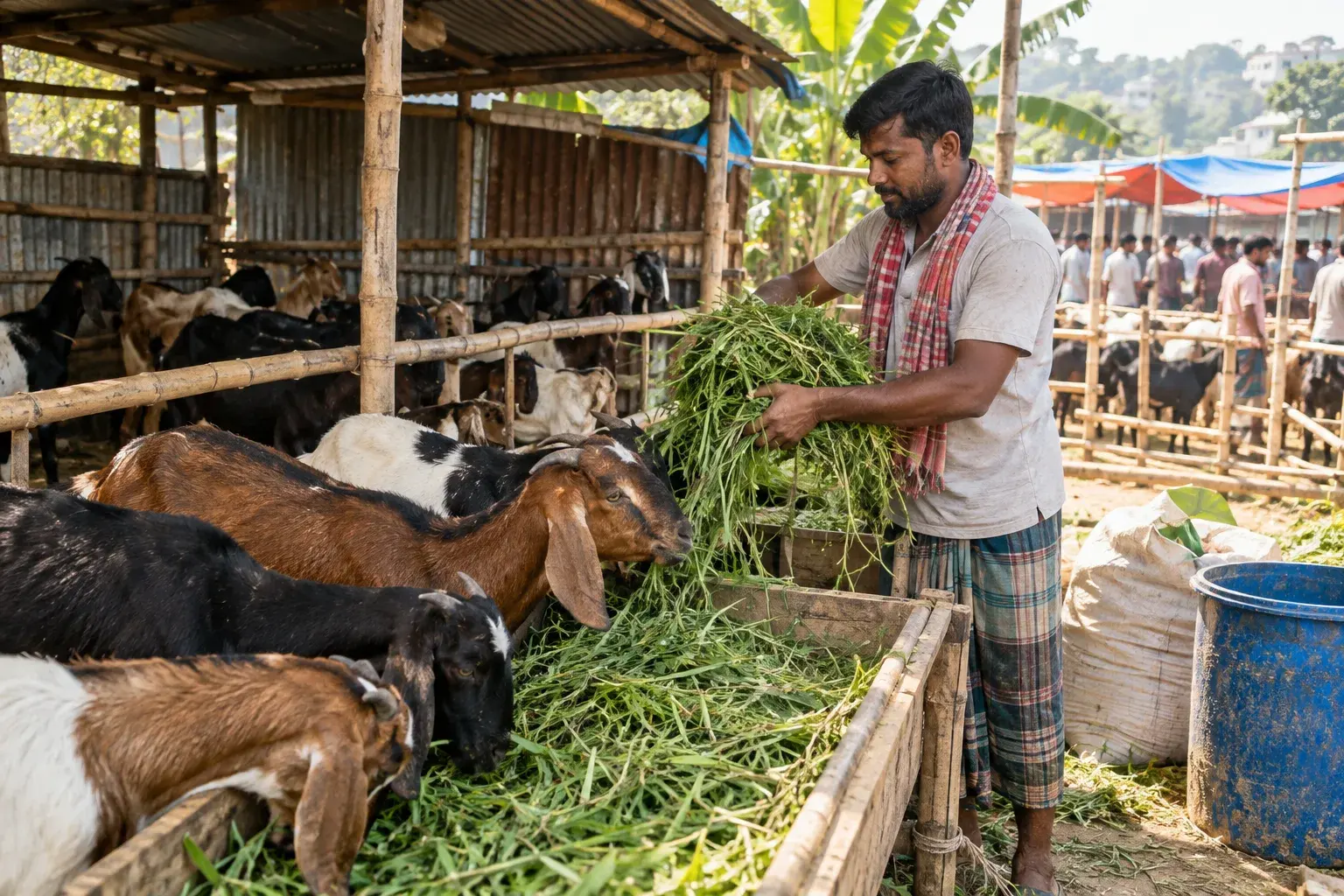
Goat fattening
Buying five to six month old khasi, feeding them up and selling at the Qurbani haat. In May 2026 Chattogram haats paid Tk 8,000-15,000 for small goats and Tk 40,000-50,000 for large ones; big crossbreeds went at Tk 700-800 a kilo.
- Capital
- ৳30k – ৳2.5 lakh
- People
- 1 – 3
- First income
- 90 – 365 days
 Agriculture & farming
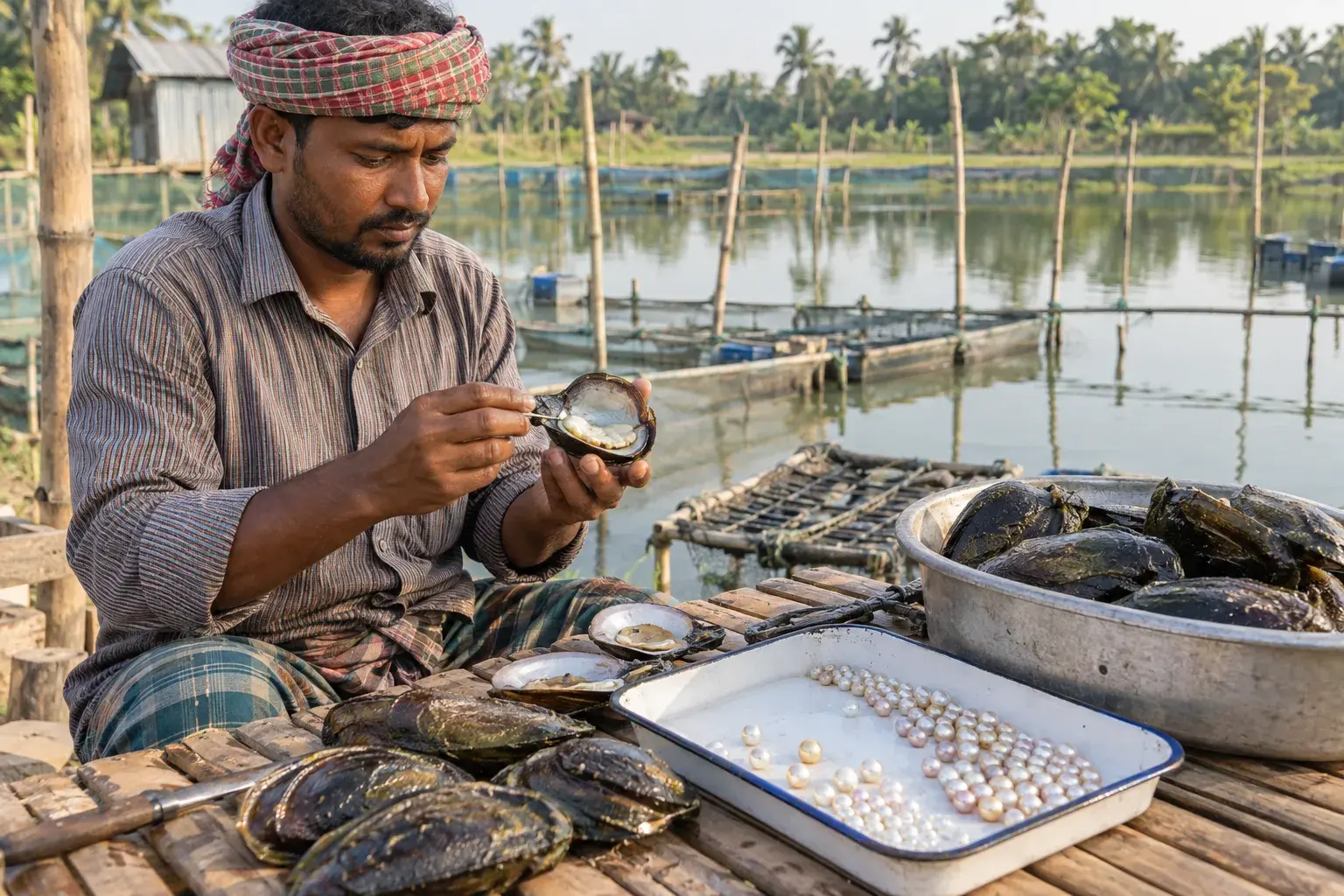
Mussel and pearl culture
Seeding pond mussels to grow pearls in seven to eleven months. Grade A pearls sell wholesale at Tk 500-600, but there is no regular buyer - and that is the main risk.
- Capital
- ৳30k – ৳1.5 lakh
- People
- 1 – 6
- First income
- 210 – 330 days
 Agriculture & farming
Potato farming
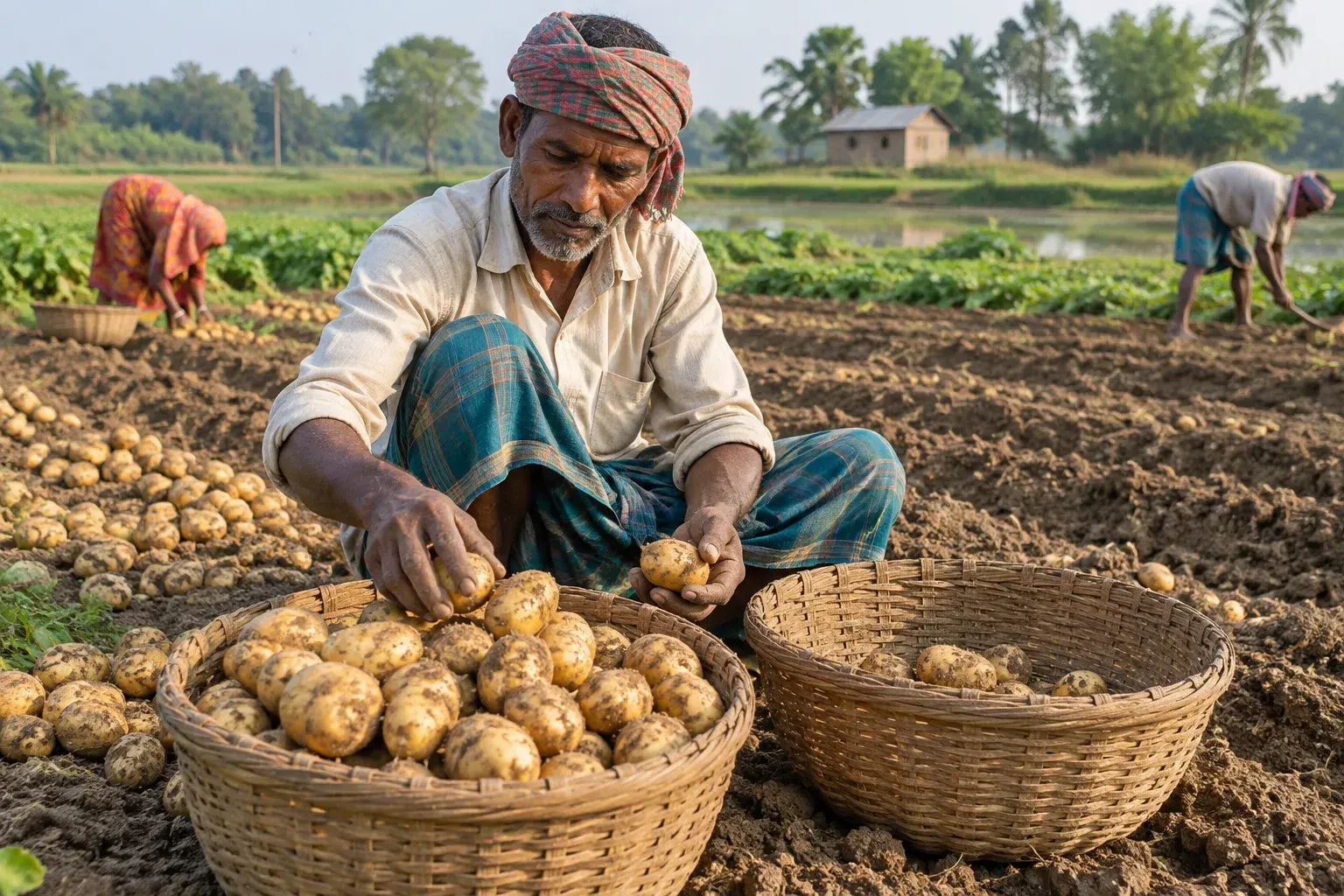
Planted in winter, lifted in February-March. National average wholesale in August 2026 was Tk 29.80/kg for local potato and Tk 20.53-20.71 for Holland varieties, but at harvest the field price fell to Tk 3-7; cold storage rent is now Tk 6 a kg.
- Capital
- ৳30k – ৳3 lakh
- People
- 2 – 10
- First income
- 90 – 120 days