
Mussel and pearl culture
Seeding pond mussels to grow pearls in seven to eleven months. Grade A pearls sell wholesale at Tk 500-600, but there is no regular buyer - and that is the main risk.
- Last reviewed: 19 September 2026
- Version 1
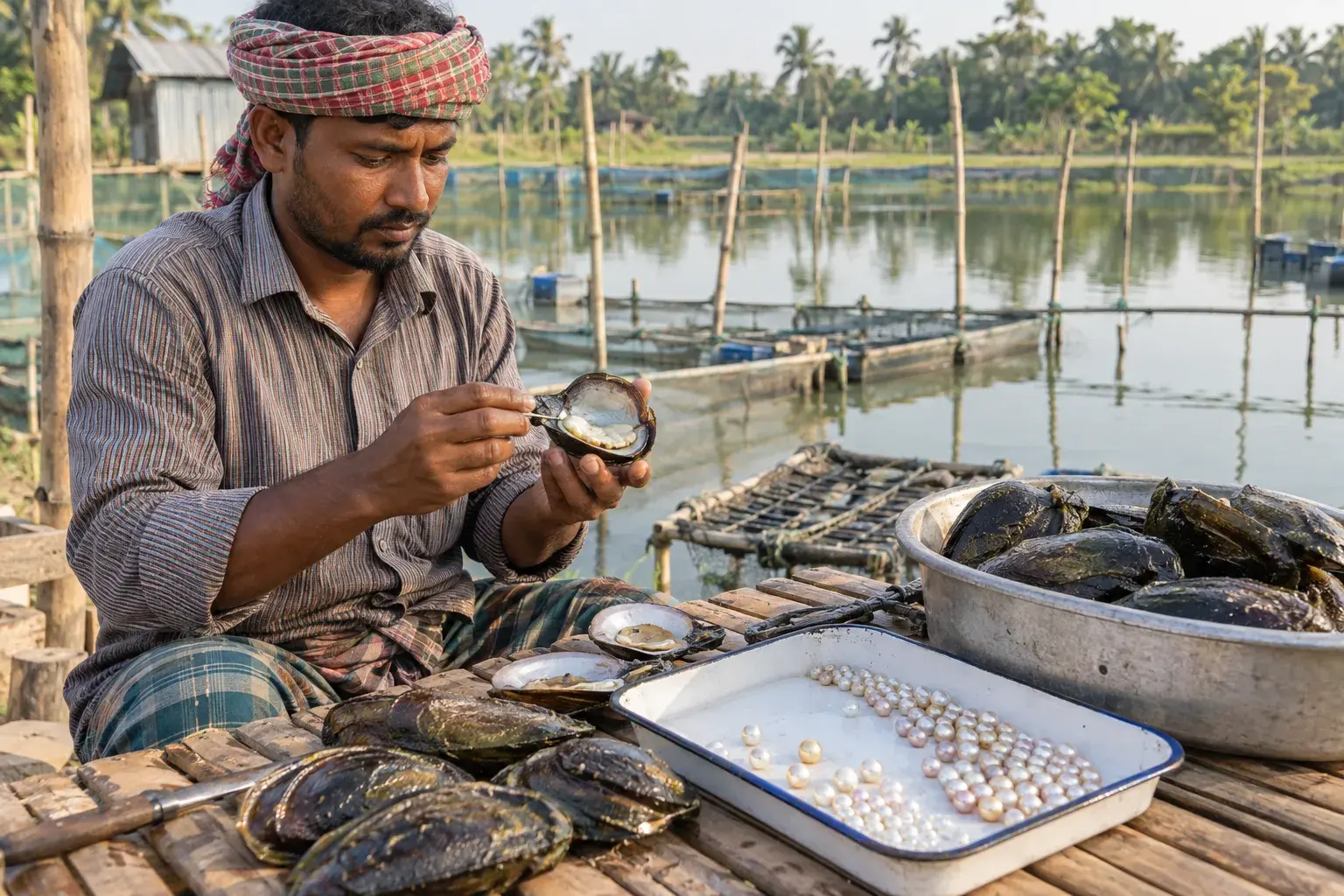
Mussel and pearl culture
- Starting capital
- ৳30,000 – ৳1,50,000 Practitioner verified
- Manpower
- 1 – 6 people
- First sale
- 210 – 330 days Practitioner verified
- Break-even
- 9 – 15 months Editorial estimate
- Kind of work
- Farm · Medium difficulty
About the business
Put a small nucleus into a freshwater mussel in a pond and the mussel starts laying nacre around it; seven to eleven months later that coating is a pearl. The work is not difficult and the cost is low. Abdur Rahman of Abhaynagar in Jashore started with two mussels after watching YouTube, then took a three-day course at the Bangladesh Fisheries Research Institute in Mymensingh. By his account, selling Tk 2,00,000 of pearls in a year cost him Tk 30,000-40,000 in all, of which Tk 15,000 was pond rent. Pearls sort into three grades, A, B and C; grade A sells wholesale at Tk 500-600 each, and across all grades he sold between Tk 100 and Tk 600 a piece. Mussels share a pond with fish and eat the feed given to the fish, so there is no separate feed cost. But the risk has to be said plainly. The cycle is long - money takes close to a year to come back. And the buyer is uncertain: pearls are bought only by jewellery firms that do their own design work. There is no regular market or auction in the country and nobody setting a price. So you need the buyer's name before you seed the mussels, or a year later you will be holding pearls instead of money.
Unit economics
| Item | Range | Evidence | Suggest a correction |
|---|---|---|---|
| Monthly working capital | ৳2,500 – ৳3,500 | Practitioner verified | |
| Selling price | ৳100 – ৳600 / unit | Practitioner verified | |
| Variable cost | ৳35 – ৳60 / unit | Editorial estimate | |
| Gross margin | 80% – 85% | Practitioner verified | |
| Time to first revenue | 210 – 330 days | Practitioner verified | |
| Break-even time | 9 – 15 months | Editorial estimate | |
| Cash cycle | 240 – 390 days | Editorial estimate | |
| Waste / loss | 20% – 40% | Editorial estimate | |
| Daily capacity | 3,000 – 10,500 | Practitioner verified |
What you need to start
- Surgical kit - a mussel opener and fine instruments - plus tools for patterning the nuclei. On the Jashore farm five people make nuclei and two do the patterning.Equipment
- Freshwater mussels (about Tk 5 each), patterned nuclei (about Tk 6 each), nylon net bags (about Tk 40 each), antibiotic and medicine.Starting stock
- Trade licence from the city corporation or municipality if run as a commercial farm or when applying for credit: form Tk 10, licence book Tk 50, standard tax Tk 30, stamp Tk 150-300, licence fee Tk 100-60,000.Licence
- Operating on a mussel to insert the nucleus. The Bangladesh Fisheries Research Institute in Mymensingh runs a three-day course on freshwater mussel pearl culture. This is the only hard part of the work.Skill
- A mussel source - local canals and beels or collectors - and a nucleus supplier. The Jashore farm sells nuclei itself, and there are farms in Naogaon and Kotchandpur too.Supplier
- A pond or a water tank. The Jashore farm holds 3,000 mussels in a 20 ft by 10 ft rooftop tank and 7,500 in two ponds. Pond rent there was Tk 15,000 a year.Workspace
How the work is done
- 1Find the buyer first. Pearls are bought only by jewellery firms that do their own design work. There is no regular pearl market or auction in the country, so have at least two named buyers before you seed a single mussel.
- 2Get trained. The Bangladesh Fisheries Research Institute in Mymensingh runs a three-day course on freshwater mussel pearl culture. Without learning the operation properly the mussels die and the whole batch is lost.
- 3Collect mussels. Freshwater mussels are taken from local canals and beels, and only healthy ones aged one and a half to two years are usable.
- 4Hold the mussels in water for seven days to a month to settle, then operate - inserting two patterned nuclei into each.
- 5Keep them for one day in water mixed with antibiotic after the operation. That single day of care decides how many mussels survive.
- 6Put ten mussels in each nylon net bag and float them one to one and a half feet deep in the pond.
- 7Keep them in the same pond as fish. The mussels eat the feed given to the fish, so there is no separate feed cost - the biggest advantage of this method.
- 8Lift a few mussels from time to time to check the nacre is forming around the nucleus. After seven to eleven months take them out, open them and collect the pearls.
- 9Grade the pearls into A, B and C. A grade A pearl fetches Tk 500-600 wholesale and the rest less. Sell them ungraded in one lot and the buyer will pay the lowest price for all of them.
- 10Keep a second income line. The Jashore grower sells nuclei at Tk 6, nylon nets at Tk 40 and collected mussels at Tk 5 to other growers, and runs training - and that income covers costs through the year of waiting for the pearls.
- 11Ask about agricultural credit. Bangladesh Bank added pearl culture as an eligible sector in its FY 2024-25 agricultural and rural credit policy, and rural loans up to Tk 50,000 may carry no charge beyond the DP note stamp.
Seasons
- JanNormal
- FebNormal
- MarNormal
- AprNormal
- MayNormal
- JunNormal
- JulNormal
- AugNormal
- SepNormal
- OctHigh
- NovHigh
- DecHigh
Where it works well
- Strong fitJashore · A documented commercial farm operates in Abhaynagar upazila (AR Agro Farm) with the upazila fisheries office openly encouraging it, and freshwater mussel supply is good.
- Strong fitMymensingh · The Bangladesh Fisheries Research Institute is here and runs the freshwater pearl culture training, and the density of fish farms is the country's highest.
- PossibleDhaka · Not a growing district but the selling one - the jewellery firms that do design work are here.
- PossibleJhenaidah · There are pearl farms at Kotchandpur, and the south-west has a high density of ponds.
- PossibleKhulna · A tradition of freshwater ponds and fish farming, with jewellery buyers in the city.
- PossibleNaogaon · The Jashore grower visited farms in Naogaon to learn - so farms already exist here.
- PossibleNarail · Plenty of canals, beels and ponds, so freshwater mussels are easy to get.
- PossibleSunamganj · Freshwater mussels are abundant in the haor and water space is not a constraint.
Risks and cautions
- HighDemand: The buyer is uncertain, and that is the main risk in this business. By the Jashore grower's account, pearls are bought only by jewellery firms that do their own design work. There is no regular market, auction or official price in the country. If a buyer offers less there is no reference price to argue with, and after a year of waiting there is nothing to do but hold the stock.
- HighWorking capital: The cycle is long. Seven to eleven months of waiting after seeding, plus the collection and settling time before it. Pond rent, wages and medicine run through all of it with no income at all. Daily wages on the Jashore farm were Tk 400-500.
- HighDependency: If the mussels die, everything is lost. They are weak after the operation, and poor water quality, poison entering the pond or medicine dosed for the fish can kill them. How many survive and how many yield a usable pearl are the two numbers that decide this business, and neither is published anywhere.
- MediumOther: Quality cannot be controlled. Mussels given identical care produce grade A, B or C pearls, and grade A is worth several times the rest. That makes the year-end income impossible to forecast.
Sources
সিটি কর্পোরেশন থেকে ট্রেড লাইসেন্স প্রাপ্তির ধাপ সমূহ
Collected: 16 Sept 2026Supports: Starting capital · বাংলাদেশ
শুঁটকি উৎপাদন ও মুক্তা চাষেও ঋণ দেবে ব্যাংক (কৃষি ও পল্লিঋণ নীতিমালা ২০২৪-২৫)
Collected: 30 Aug 2024Supports: Starting capital · বাংলাদেশ
What changed
No corrections have been published yet.
Questions and answers
No questions yet. Be the first to ask.
Stories about this business
Three lakh taka into pearls, abandoned in two years with nothing sold
Three lakh taka went into freshwater pearl culture, with about 100 ponds running between him and his trainees. The harvest was poor, there was no domestic buyer, and he abandoned the project after two years.
- Capital
- ৳3 lakh
- Reasons
- Working capital, Weak demand
Similar businesses
 Agriculture & farming
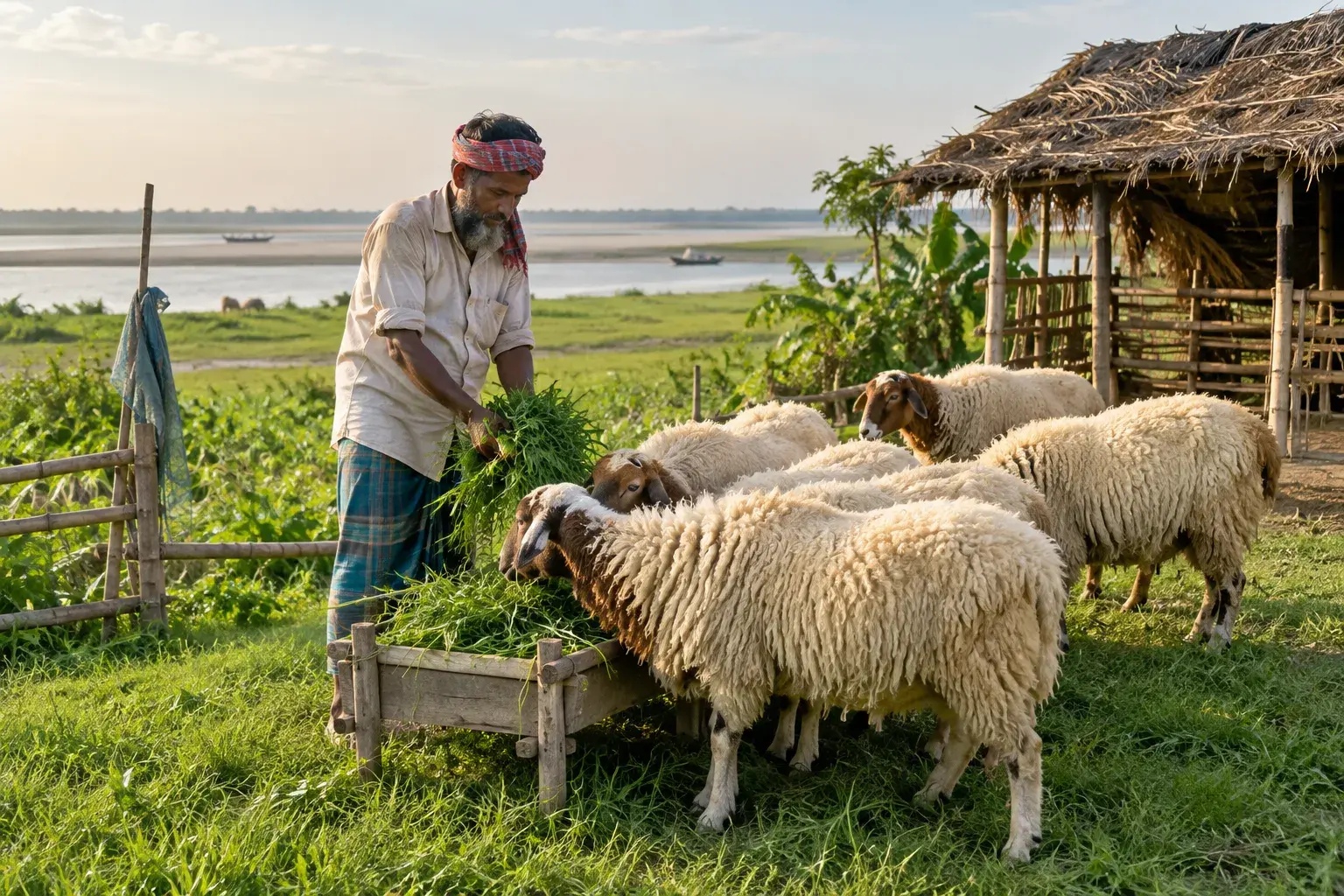
Sheep rearing
Rearing sheep on open grazing in fields and chars. Before Qurbani 2026 one Joypurhat farmer sold 26 sheep for Tk 2,30,000, about Tk 8,800 each.
- Capital
- ৳30k – ৳2.5 lakh
- People
- 1 – 3
- First income
- 180 – 365 days
 Agriculture & farming
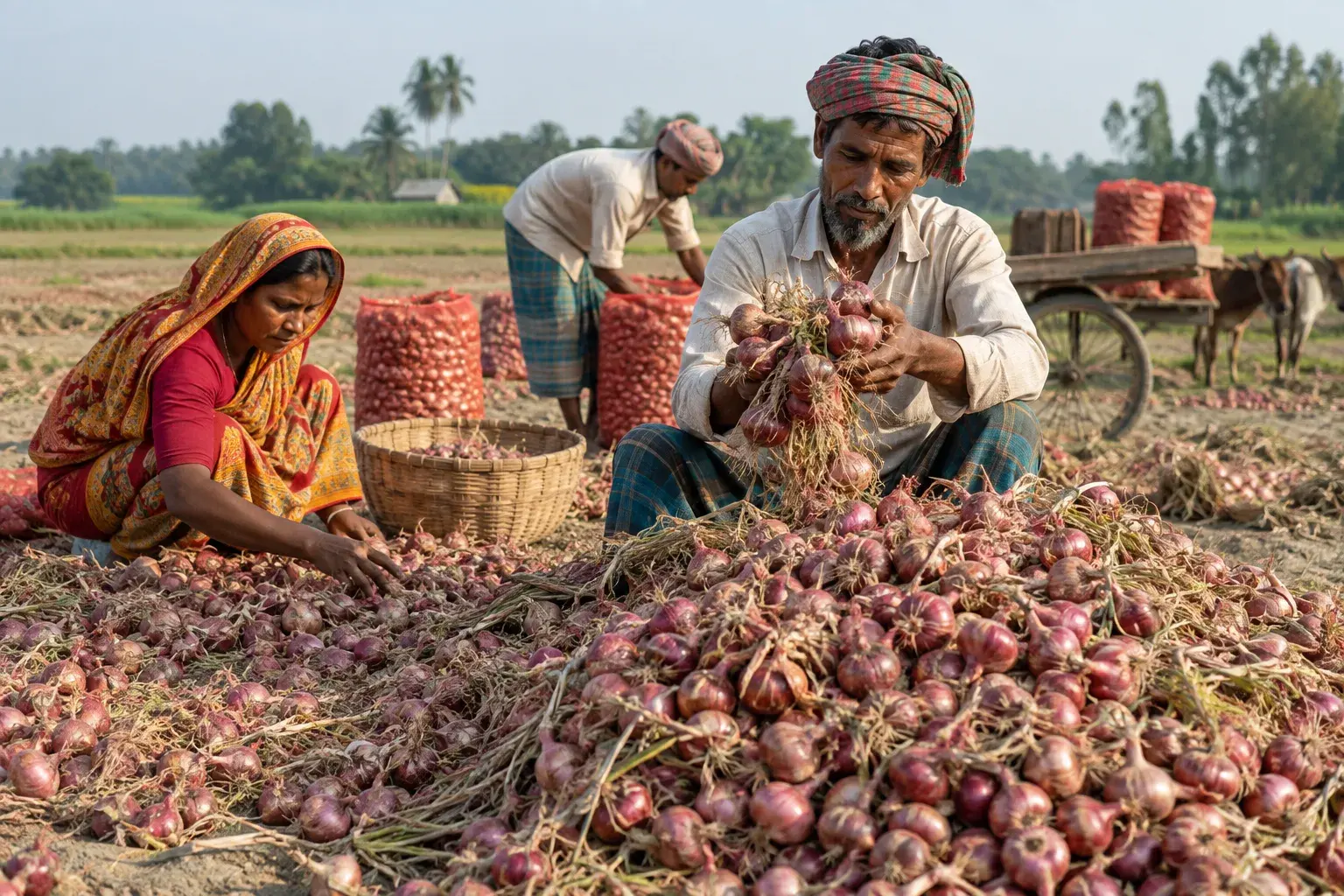
Onion farming
Two crops in one year, muri-kata and hali. Local onion averaged Tk 41.82 a kg wholesale nationally in August 2026, but at harvest farmers got Tk 700-1,100 a maund against a cost of Tk 1,400-1,600.
- Capital
- ৳30k – ৳2.5 lakh
- People
- 2 – 10
- First income
- 90 – 150 days
 Agriculture & farming
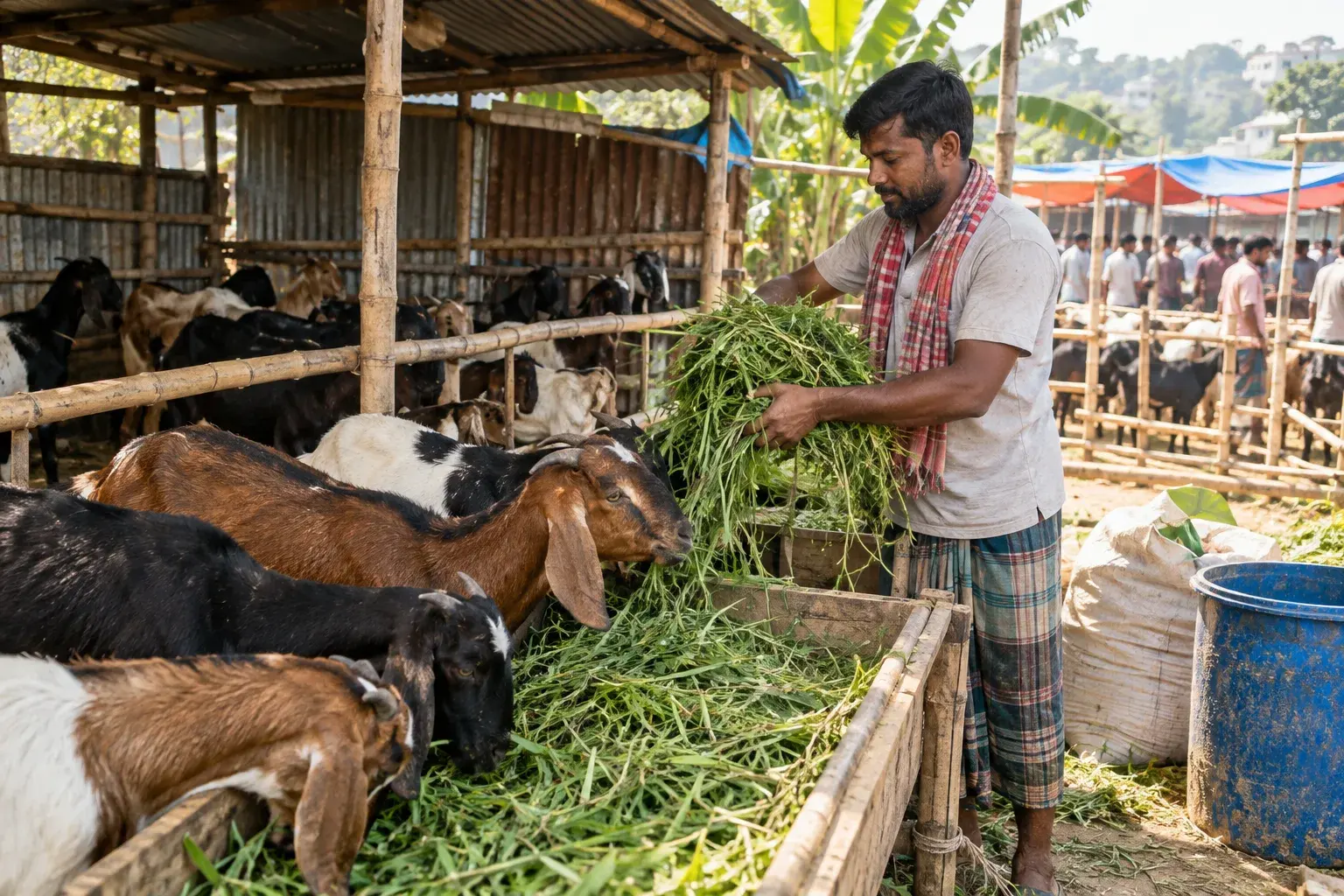
Goat fattening
Buying five to six month old khasi, feeding them up and selling at the Qurbani haat. In May 2026 Chattogram haats paid Tk 8,000-15,000 for small goats and Tk 40,000-50,000 for large ones; big crossbreeds went at Tk 700-800 a kilo.
- Capital
- ৳30k – ৳2.5 lakh
- People
- 1 – 3
- First income
- 90 – 365 days
 Agriculture & farming
Potato farming
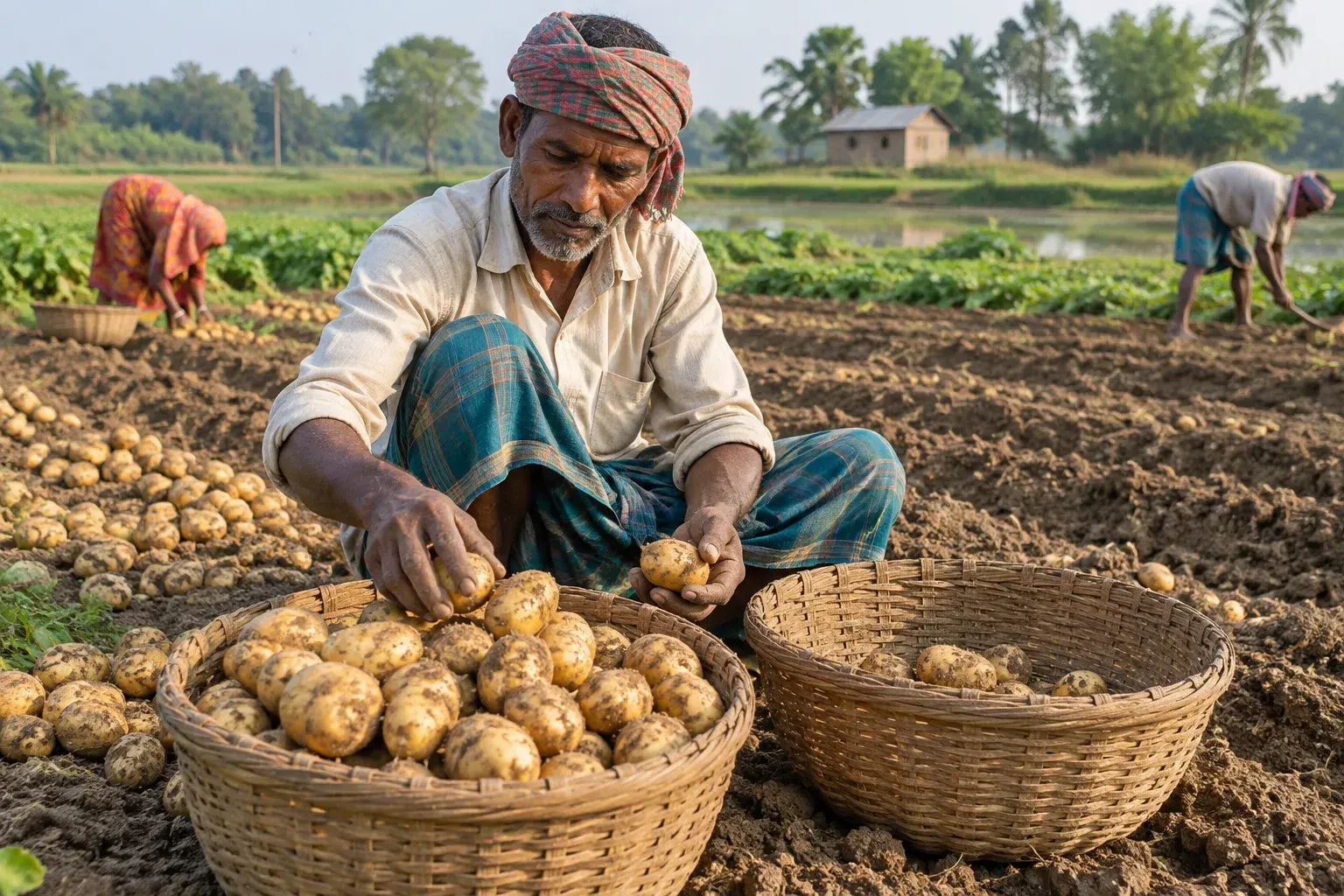
Planted in winter, lifted in February-March. National average wholesale in August 2026 was Tk 29.80/kg for local potato and Tk 20.53-20.71 for Holland varieties, but at harvest the field price fell to Tk 3-7; cold storage rent is now Tk 6 a kg.
- Capital
- ৳30k – ৳3 lakh
- People
- 2 – 10
- First income
- 90 – 120 days