
Medicinal plant farming
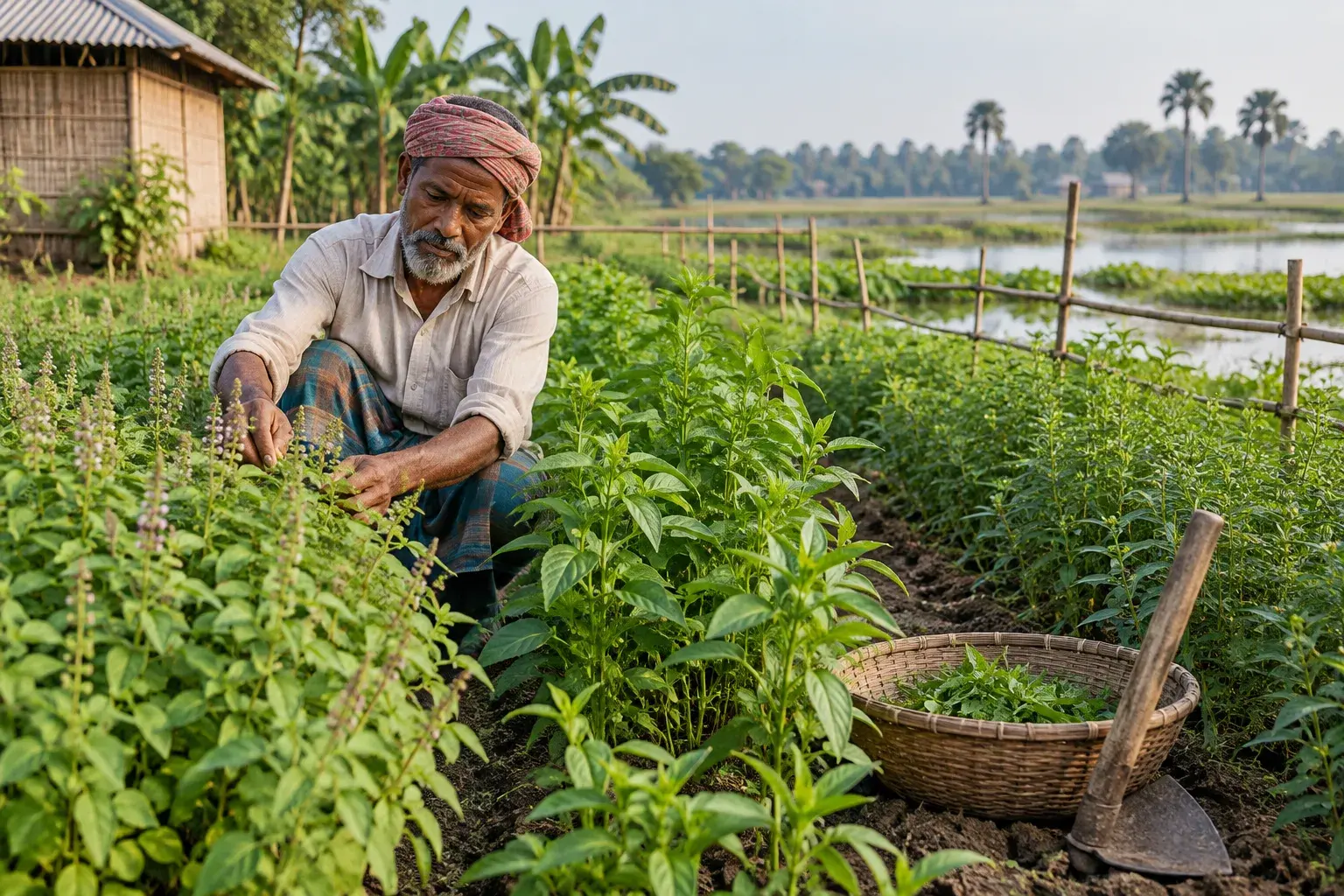
Growing basok, kalomegh, tulsi and arjun. The buyers are medicine companies, so the price is set by contract or tender: a bigha of kalomegh costs Tk 15,000, yields 20-22 maunds and sells at Tk 2,400 a maund.
- Last reviewed: 19 September 2026
- Version 1
Medicinal plant farming
- Starting capital
- ৳15,000 – ৳1,00,000 Practitioner verified
- Manpower
- 1 – 5 people
- First sale
- 90 – 365 days Practitioner verified
- Break-even
- 6 – 18 months Editorial estimate
- Kind of work
- Farm · Easy
About the business
Growing basok, kalomegh, tulsi, arjun, shimul root and ashwagandha and selling the leaves, stems and roots. The biggest difference from vegetables or fruit is the buyer. Here it is not a shopper but a unani or ayurvedic medicine manufacturer, buying by tender or contract, which means the price is written down somewhere - and that is the real advantage of this crop. In Sribardi, Sherpur, the Forest Department's SUFAL plantations carry basok across 350 hectares of hillocks, and in one year the leaf from 180 hectares was sold by tender at Tk 4 a kilo for Tk 16.2 lakh. Pharmaceutical companies make cough syrup from basok leaf, so the demand never goes away. The sums are small but they are certain. In Palashbari, Gaibandha, a bigha of kalomegh costs about Tk 15,000 to grow, yields 20 to 22 maunds, and sells at Tk 2,400 a maund. Kalomegh planted between Chaitra and Jaishtha is cut in six months, tulsi in 90 days, and basok once planted yields for eight to ten years. The caution is the same one: the buyer. In Lakshmipur-Khalabaria, Natore - the country's only medicinal village - cooperative leaders are still asking for a research centre and a cosmetics factory in the village. With no plant nearby, the company sets the price.
Unit economics
| Item | Range | Evidence | Suggest a correction |
|---|---|---|---|
| Monthly working capital | ৳2,500 | Editorial estimate | |
| Selling price | ৳4 – ৳60 / kg | Market quote | |
| Variable cost | ৳17 – ৳19 / kg | Editorial estimate | |
| Gross margin | 65% – 72% | Editorial estimate | |
| Time to first revenue | 90 – 365 days | Practitioner verified | |
| Break-even time | 6 – 18 months | Editorial estimate | |
| Cash cycle | 120 – 240 days | Editorial estimate | |
| Waste / loss | 0% – 5% | Editorial estimate | |
| Daily capacity | 4 – 25 | Editorial estimate |
What you need to start
- A sickle, a drying area and scales. Because the product is dried there is no need for cold storage or special machinery, which is why the capital demand here is light.Equipment
- Saplings from a local nursery or another grower's collection point; one Gaibandha grower's nursery alone holds 10,000. The unit price of a sapling was not found in any source.Starting stock
- Trade licence from the union parishad, municipality or city corporation: form Tk 10, licence book Tk 50, standard tax Tk 30, stamp Tk 150-300, licence fee Tk 100-60,000 by trade type. Opening a collection point or nursery, and invoicing a company, both require it.Licence
- Knowing which part of which plant to cut and when - leaf, stem or root - and at what stage the quality holds. Cut at the wrong time and the company sends it back.Skill
- The buyer: a unani or ayurvedic medicine manufacturer. Bangladeshi pharmaceutical companies make cough syrup from basok leaf, so the demand never goes away. The Sribardi basok leaf is being lifted under tender by a trader from Gaibandha.Supplier
- Land measured in bighas, though yards, roadsides and fallow hillocks all work. In Sribardi 350 hectares of basok grow under existing timber plantations on hillocks, so separate land is not essential.Workspace
How the work is done
- 1Buyer first, plant second. Find out which medicine company or herb trader buys in your area, which plants they buy and at what rate. The upazila agriculture office or a local kobiraj will know.
- 2Decide which plant, because the time and the money differ. Tulsi is cut in 90 days, kalomegh in six months, and basok once planted yields for eight to ten years. Basok means waiting longer for almost no cost.
- 3Start small, in the corners around the house. Rafiqul Islam of Gaibandha began in 2007 by putting kalomegh in odd corners, then leased a bigha for basok, arjun and tulsi, and only expanded once he saw the profit.
- 4Plant kalomegh between Chaitra and Jaishtha; it is ready to cut within six months.
- 5Make and use your own compost. Rafiqul Islam makes his own and puts it on the land; it is the simplest way to keep the cost down, and basok needs almost no fertiliser or pesticide at all.
- 6Collect the leaves and stems, dry them, then sell by the kilo. A dried product can be held, so you can wait for a better price - something a vegetable or fruit grower cannot do.
- 7Take two cuttings in the dry season. The basok plantations in Sribardi are harvested twice a year.
- 8Sell as a group. In Sribardi 480 beneficiaries in eight groups across four areas sell their leaf by tender, and four hundred people's four lakh kilos fetch a far better rate than one person's two maunds.
- 9Set up a collection point beside the house. Rafiqul Islam sells leaves, stems and saplings from one, and the large medicine manufacturers come and buy there.
- 10Treat a sapling nursery as a separate income. Rafiqul's nursery holds 10,000 saplings and he sells into Rangpur, Rajshahi, Sirajganj, Chattogram and Dinajpur as well as Gaibandha, moving about Tk 15 lakh of saplings and plants a year.
Seasons
- JanHigh
- FebHigh
- MarHigh
- AprNormal
- MayNormal
- JunNormal
- JulLow
- AugLow
- SepNormal
- OctHigh
- NovHigh
- DecHigh
Where it works well
- Strong fitGaibandha · Two hectares under various medicinal plants in Palashbari upazila, where about thirty farmers in Kettarpara village followed one man into the crop. The Sribardi basok leaf is also being lifted by a Gaibandha trader.
- Strong fitNatore · The country's only medicinal village: fifteen villages in Lakshmipur-Khalabaria union, Natore Sadar, with 140 kinds of herb on 155 hectares, two thousand farmers, and about a hundred herb businesses at four locations.
- Strong fitSherpur · The Forest Department's SUFAL basok plantations across 350 hectares of Garo hillocks at Balijhuri, Konjhura, Malakucha and Dumutola in Sribardi, with 480 beneficiaries in eight groups.
- PossibleCumilla · BARI varieties do well here, and both the medicine factories and the run to Dhaka are convenient.
- PossibleDinajpur · Another market for the Gaibandha grower's saplings, with plenty of high land.
- PossibleMymensingh · The Sherpur basok plantations fall under the Mymensingh forest division, with the same hill soil and the same administration.
- PossibleRajshahi · Adjoining Natore, with the same Barind soil and the same herb market network.
- PossibleRangpur · Saplings from the Gaibandha nurseries come here, and it is inside the northern herb-growing belt.
- PossibleSirajganj · Saplings from the Gaibandha nurseries sell here, and the road link to the Dhaka medicine factories is good.
Risks and cautions
- HighDependency: The only buyers are companies and the companies set the price. The basok tender rate was Tk 4 a kilo - Tk 16.2 lakh for the leaf off 180 hectares, to be shared among 480 beneficiaries. There is no retail market for herb leaf, so a grower who does not like the rate has nowhere else to go.
- MediumDemand: The value is not added locally. The Natore medicinal village produces at least Tk 100 crore of herbs a year, but cooperative society president Md Shahidul Islam is still asking for a medicinal plant research centre in the village under the Forest Research Institute, and farmer Md Zainal Abedin for a soap and shampoo plant. As of 2025 neither exists.
- MediumOther: There is no quality testing, so the price cannot be argued. The Natore cooperative leader says a research centre would allow the quality of the herbs to be controlled and would bring in cosmetics and medicine companies. With no way to measure quality, good leaf and poor leaf go at the same rate.
- LowWorking capital: Money is tied up for six months to a year, and with basok it takes a year before the first leaf is cut. The sum is small - Tk 15,000 a bigha - but to someone with little land who is leasing it, six months is still long.
- LowCompliance: On Forest Department land the rules are different. The Sribardi basok plantations are under the department's SUFAL project: the beneficiaries only tend the crop, and the money is distributed after the tender. Neither the land nor the crop belongs to the grower, and that needs understanding before joining.
Sources
সিটি কর্পোরেশন থেকে ট্রেড লাইসেন্স প্রাপ্তির ধাপ সমূহ
Collected: 16 Sept 2026Supports: Starting capital · বাংলাদেশ
What changed
No corrections have been published yet.
Questions and answers
No questions yet. Be the first to ask.
Stories about this business
From a two-shotok homestead to 15 lakh taka of medicinal plants a year
He had no cultivable land; he started with kalomegh around the house in 2007. Four bighas and a 10,000-sapling nursery now sell about 15 lakh taka a year, netting about 3 lakh - 25,000 taka a month.
- Reasons
- Weak demand, Strong network
Similar businesses
 Agriculture & farming
Bamboo cultivation
Planting bamboo clumps and cutting culms year after year. Nothing can be cut for the first 3-4 years after planting; after that a culm fetches Tk 100-250 in the village and Tk 125-350 wholesale at the market.
- Capital
- ৳15k – ৳3 lakh
- People
- 1 – 4
- First income
- 1,095 – 2,920 days
 Agriculture & farming
Pigeon and bird rearing
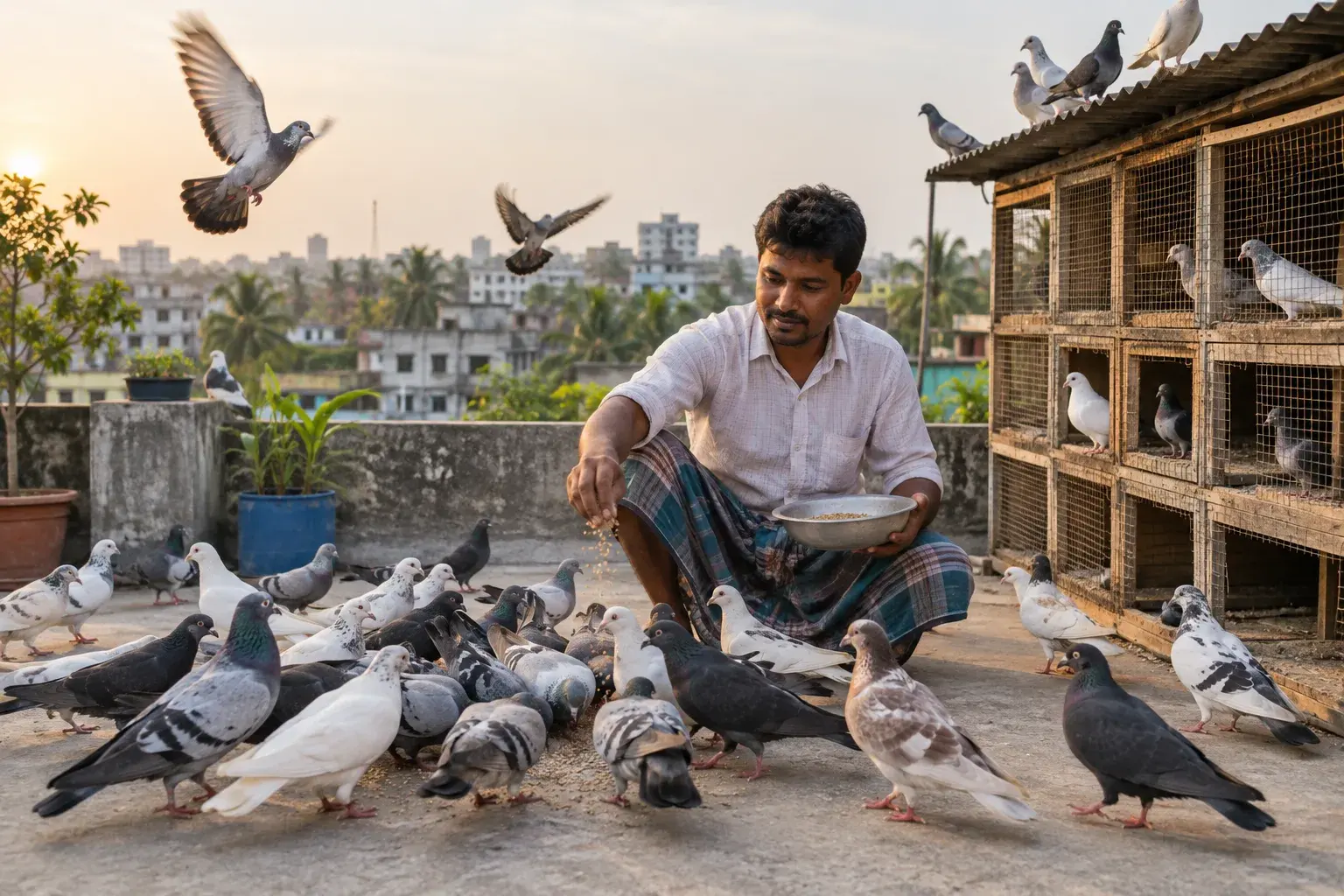
Rearing pigeons on a roof or in a yard with no land at all. A pair sells for Tk 500-5,000 at Bhojeshwar hat, and one Jashore farmer's 400 birds cost Tk 20,000 a month to keep against Tk 30,000-35,000 of sales.
- Capital
- ৳15k – ৳1.5 lakh
- People
- 1 – 2
- First income
- 45 – 75 days
 Agriculture & farming
Char land farming and groundnut
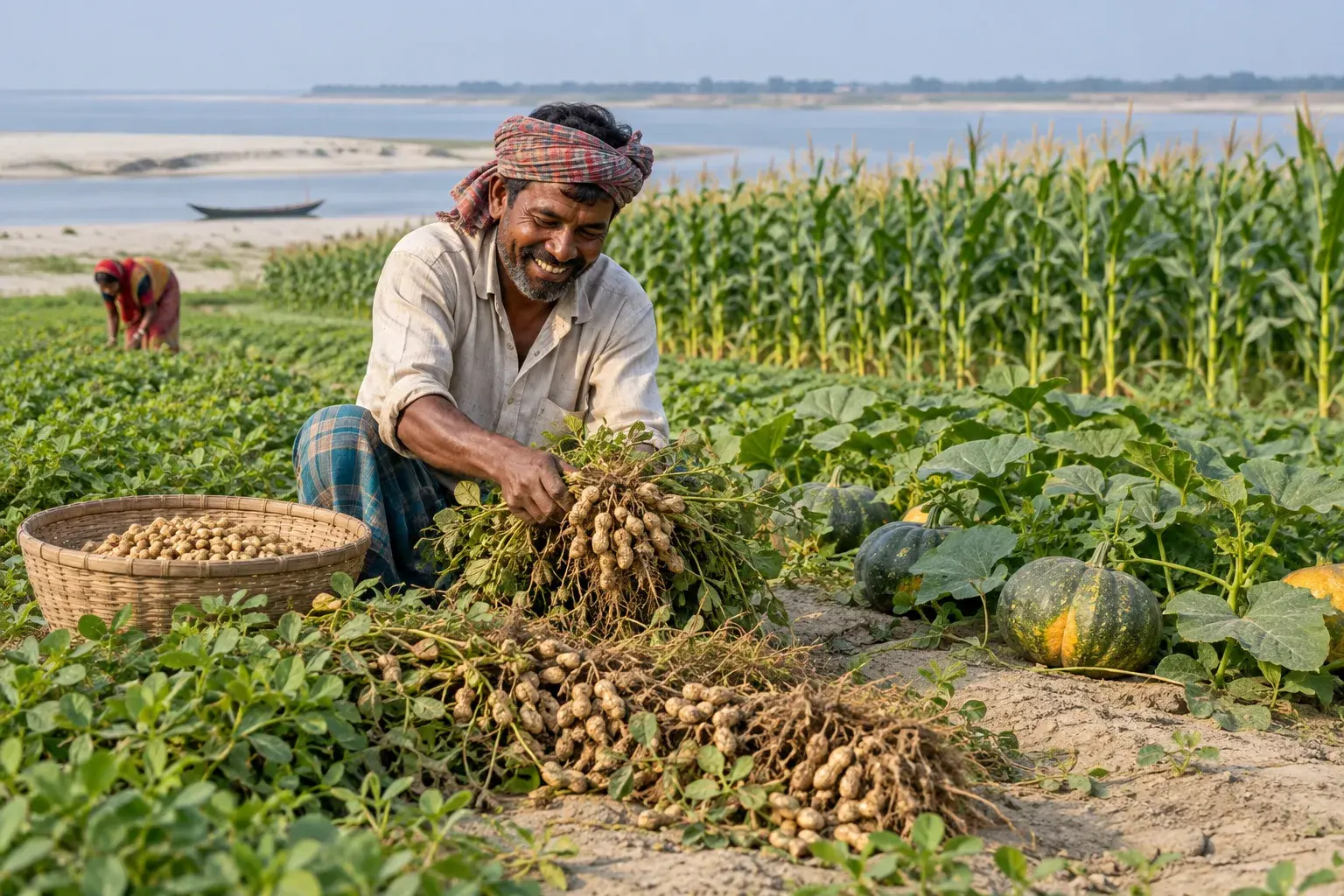
Growing groundnut, maize and pumpkin on river chars. The land is close to free: Tk 16,000 on 25 decimals returned Tk 26,400, and an acre costs Tk 65,000 to return about Tk 137,000.
- Capital
- ৳16k – ৳65k
- People
- 1 – 5
- First income
- 100 – 120 days
 Agriculture & farming
Cotton farming
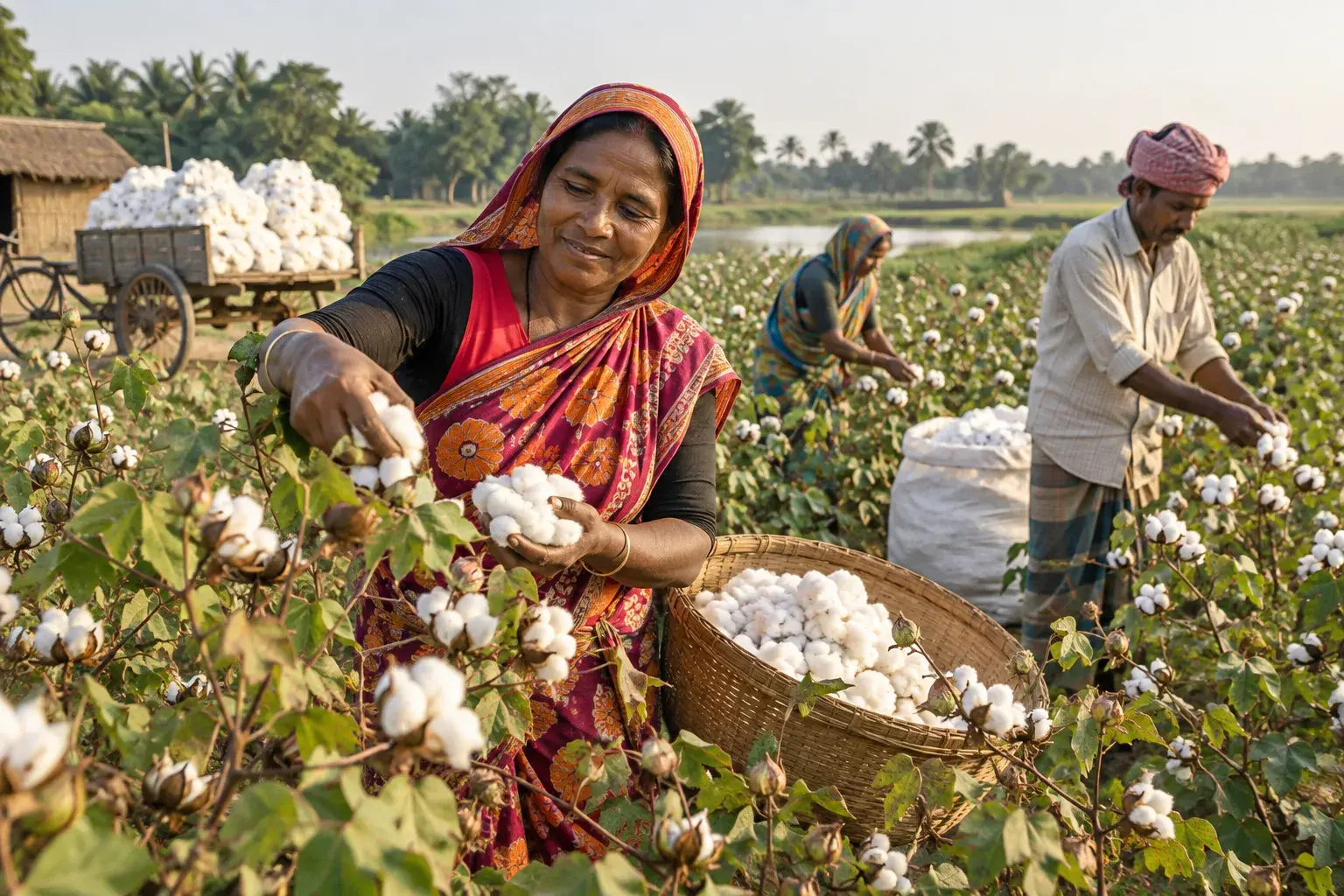
Sold at the price the Cotton Development Board sets, Tk 3,900 a maund of seed cotton in 2025-26. At the national average yield of about 7.6 maunds a bigha that is roughly Tk 30,000 a bigha for six to seven months of land.
- Capital
- ৳16k – ৳1 lakh
- People
- 1 – 6
- First income
- 150 – 240 days