
Pottery and terracotta
Making clay pots, planters and terracotta showpieces. Bijoypur's work is exported, but with no gas the kilns run on firewood and part of the output is spoiled.
- Last reviewed: 19 September 2026
- Version 1

Pottery and terracotta
- Starting capital
- ৳40,000 – ৳4,00,000 Editorial estimate
- Manpower
- 2 – 12 people
- First sale
- 30 – 90 days Editorial estimate
- Break-even
- 4 – 8 months Editorial estimate
- Kind of work
- Workshop · Medium difficulty
About the business
Turning clay on a wheel into pots, vases, bowls, mugs and jugs and terracotta showpieces, then drying them in the sun and firing them before they can be sold. Bijoypur in Comilla Sadar Dakshin is the best known name in the trade. A few decades ago more than eight hundred Pal families across seven villages there worked in clay; about a hundred and fifty families remain, and the Bijoypur Rudrapal Pottery Cooperative Society, founded on 27 April 1961 by Akhtar Hameed Khan, has at least fifty of them. Bijoypur's clay goes to Japan, Canada, the United States and the Emirates. One thing is breaking it: gas. The society got its connection in 1991, the pressure began falling in 2015 and was close to zero by about 2017. Firing is now done with firewood and some of the output is spoiled by it. The earnings are plain enough. Parimal Pal, thirty-five years at the hand-turned wheel, is paid Tk 500 a day, and the women who do the design and finishing earn Tk 6,000 to 8,000 a month. Plastic and aluminium have shrunk the market for cooking pots, so those who survive have moved towards showpieces, planters and decorative goods.
Unit economics
| Item | Range | Evidence | Suggest a correction |
|---|---|---|---|
| Monthly working capital | ৳38,000 – ৳62,000 | Editorial estimate | |
| Selling price | ৳60 – ৳785 / unit | Market quote | |
| Variable cost | ৳25 – ৳300 / unit | Editorial estimate | |
| Gross margin | 58% – 62% | Editorial estimate | |
| Time to first revenue | 30 – 90 days | Editorial estimate | |
| Break-even time | 4 – 8 months | Editorial estimate | |
| Cash cycle | 15 – 60 days | Editorial estimate | |
| Waste / loss | 10% – 20% | Editorial estimate | |
| Daily capacity | 20 – 150 | Editorial estimate |
What you need to start
- A wheel, hand-turned or powered, a kiln, a soaking tank for clay, tools for design and finishing, and straw and paper for packing. No documented equipment prices were found.Equipment
- Sticky clay, firing fuel -- gas, firewood or electricity -- and colour. With gas pressure close to zero at Bijoypur, firewood is the fallback, and it raises both the cost and the spoilage.Starting stock
- Trade licence from the union parishad, municipality or city corporation: form Tk 10, licence book Tk 50, standard tax Tk 30, stamp Tk 150-300, licence fee Tk 100-60,000 by trade type, in 3-5 working days.Licence
- The skill of throwing clay on a wheel, hand-turned or machine. Parimal Pal of Bijoypur has worked a hand-turned wooden wheel for thirty-five years. This is not learned in days, which is why finding a skilled potter is now the hardest part.Skill
- A clay supplier, a firewood or gas supplier and packing material. Joining a cooperative eases both market access and raw material, as Bijoypur's has done since 1961.Supplier
- Three separate spaces: a wheel room, an open yard for sun drying, and a kiln. A covered drying area is needed for the monsoon.Workspace
How the work is done
- 1Decide what you will make: cooking pots, planters and ring slabs, or showpieces and decorative goods. Plastic and aluminium have shrunk the cooking pot market and its prices.
- 2Fix your clay source. You need sticky clay, so know where it comes from and what it costs, and check the legal limits on cutting earth.
- 3Take space for three separate things: the wheel room, an open yard for sun drying, and the kiln.
- 4Find a potter or learn yourself. Both the hand-turned wooden wheel and the machine wheel are in use, but the skill takes years.
- 5Take a trade licence from the union parishad or municipality, and ask whether BSCIC support or cooperative society membership is available.
- 6Settle how you will fire: gas, firewood or electric. Gas spoils less; firing with firewood spoils part of every batch.
- 7Fire a few samples first and see how many are spoiled. Do not take a large order before you know that rate.
- 8Open your sales routes: the local haat, decor shops, nurseries, restaurant interiors and an online page. Showpieces fetch far more than cooking pots.
- 9Build stock ahead of the fair season. The weeks before Pahela Baishakh are the biggest selling period.
- 10Take separate care over packing and transport. Sent far without straw, paper and cartons, most of a consignment arrives broken.
Seasons
- JanNormal
- FebNormal
- MarHigh
- AprHigh
- MayNormal
- JunLow
- JulLow
- AugLow
- SepNormal
- OctNormal
- NovHigh
- DecHigh
Where it works well
- Strong fitCumilla · Bijoypur's pottery is a century old, with more than 150 families across seven villages, a cooperative society, and goods going to Japan, Canada, the United States and the Emirates.
- Strong fitDhaka · The biggest buyer of showpieces, planters and decorative ware, and where restaurant and interior demand sits.
- PossibleBarishal · Century-old Pal families in Bakerganj and elsewhere, though the market has narrowed.
- PossibleChattogram · A city decor and export market, with the port making overseas shipment easier.
- PossibleKhulna · Craftsmen are present and city demand for decorative ware is growing.
- PossibleMunshiganj · Old potter settlements close to Dhaka, with easy delivery into the city.
- PossibleNaogaon · Village potter settlements survive and there is demand in the local haats.
- PossibleNetrokona · The potters' quarter gets busy around Pahela Baishakh and the fair season.
- PossibleRajshahi · An old pottery area where sticky clay is readily available.
- PossibleSatkhira · Old pottery in Kaliganj and nearby, with the craft under pressure.
Risks and cautions
- HighDependency: Fuel is now the central crisis. The Bijoypur Rudrapal Pottery Cooperative got its gas connection in 1991; pressure began falling in 2015 and reached nearly zero by about 2017. Firing has shifted to firewood and some of every batch is spoiled. The society's general secretary says they cannot produce enough despite the demand, while Bakhrabad Gas says supply is short because customer numbers have grown. This has gone on for about nine years.
- HighDemand: Plastic and aluminium have shrunk the market for clay cooking pots. A few decades ago more than eight hundred Pal families across seven villages around Bijoypur did this work; about a hundred and fifty families remain and many have left the trade. Anyone making only cooking pots faces a shrinking market, while showpieces and decorative goods still fetch a price.
- HighSpoilage: Clay ware is lost at every stage: cracking while drying, breaking in the kiln, and breaking in packing and transport. Firewood firing raises the rate further. No published spoilage percentage exists, which is why no figure appears on this page, but the risk is real and it is what decides profit or loss.
- MediumOther: Skilled potters are getting harder to find. Families are leaving the trade and the next generation is not joining, because Tk 500 a day does not hold young people. Bijoypur pottery still has no geographical indication status although Comilla's rosmalai and khadi have it, which limits the chance of charging a brand premium.
Sources
সিটি কর্পোরেশন থেকে ট্রেড লাইসেন্স প্রাপ্তির ধাপ সমূহ
Collected: 16 Sept 2026Supports: Starting capital · বাংলাদেশ
What changed
No corrections have been published yet.
Questions and answers
No questions yet. Be the first to ask.
Stories about this business
15,000-16,000 taka spent a month, 8,000 left, and 15 families still at the wheel
More than 200 families once worked clay at Taleshwar Kumarpara in Bagerhat; about 15 remain. One potter spends 15,000-16,000 taka a month on the work and is left with roughly 8,000.
- Reasons
- Weak demand, Working capital
Similar businesses
 Light manufacturing & workshop
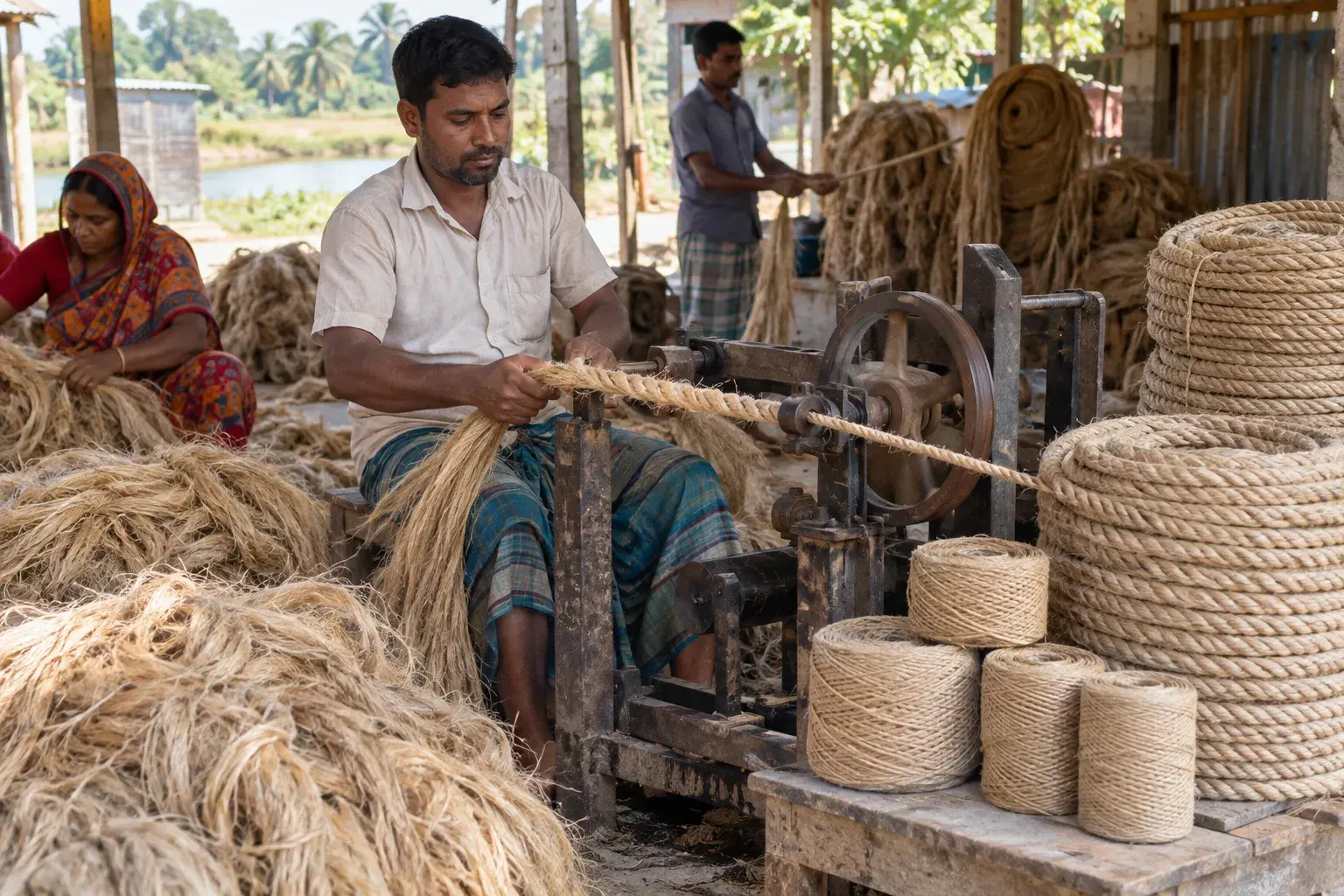
Rope and twine making
Twisting jute fibre into rope and twine. In September 2026 raw jute was about Tk 86-99 a kilo while finished twine listed online at Tk 390 a kilo - that gap is the business.
- Capital
- ৳40k – ৳6 lakh
- People
- 2 – 15
- First income
- 15 – 60 days
 Light manufacturing & workshop
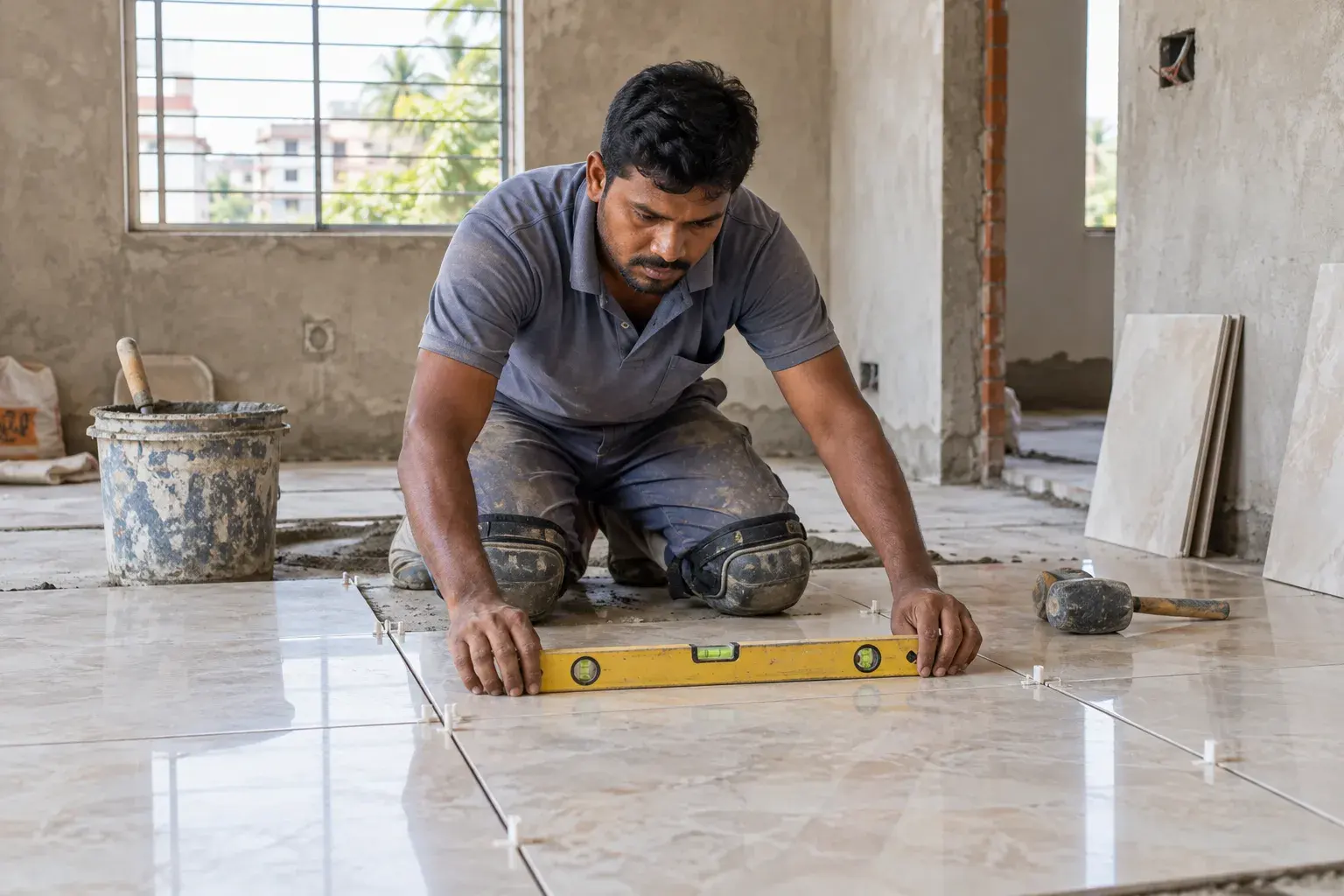
Tiles and marble fitting
Laying tiles and marble on floors, walls and bathrooms. Tiles run Tk 55-170 a piece and the statutory minimum for a tile man is Tk 1,105 a day in town, the highest on any site.
- Capital
- ৳30k – ৳2.5 lakh
- People
- 2 – 8
- First income
- 7 – 30 days
 Light manufacturing & workshop
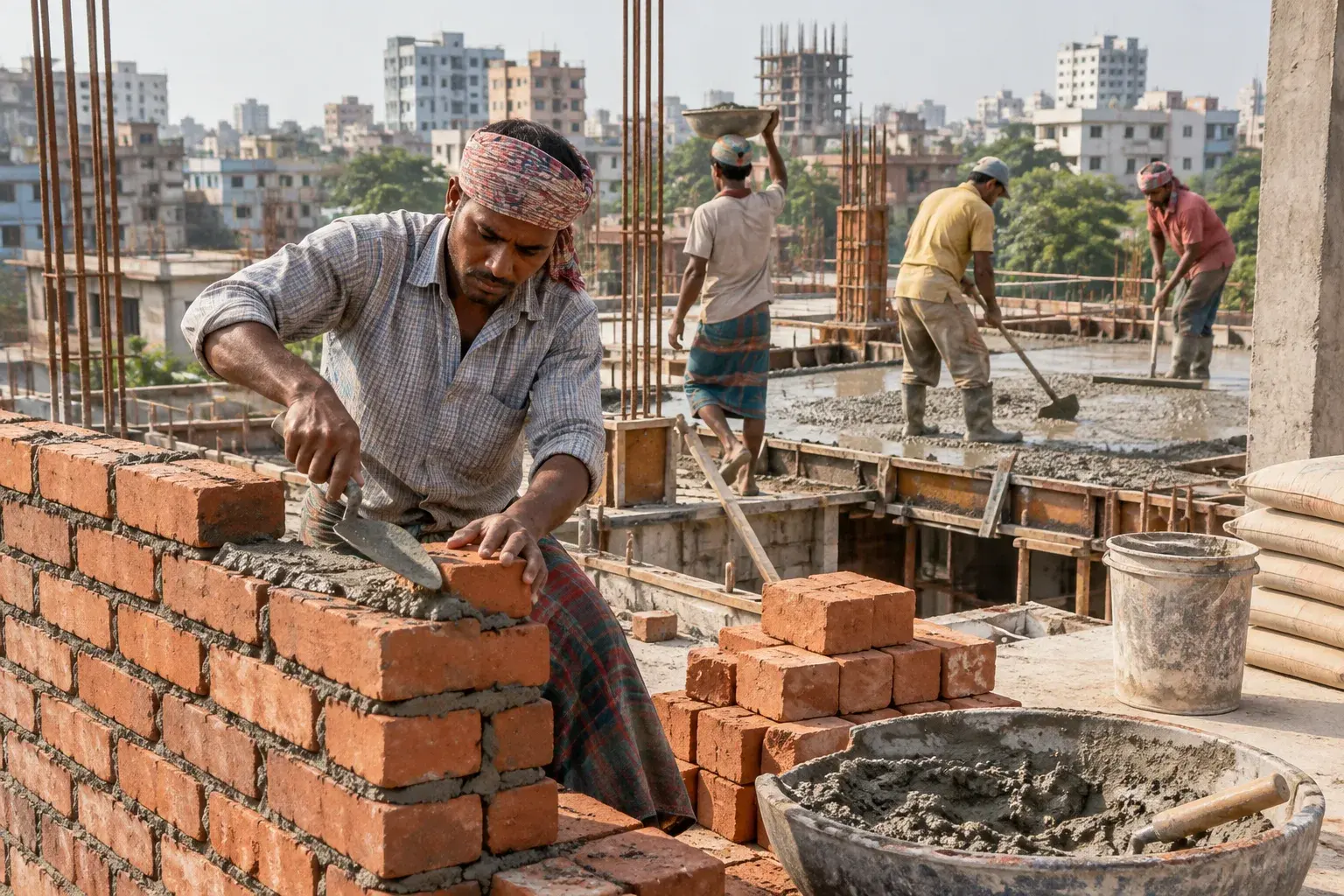
Masonry and building contracting
Contracting the labour of brickwork, casting and finishing. Dhaka construction runs Tk 1,800-3,000 per square foot of plinth area, and the statutory minimum for a mason is Tk 940 a day in town.
- Capital
- ৳50k – ৳5 lakh
- People
- 3 – 25
- First income
- 15 – 60 days
 Light manufacturing & workshop
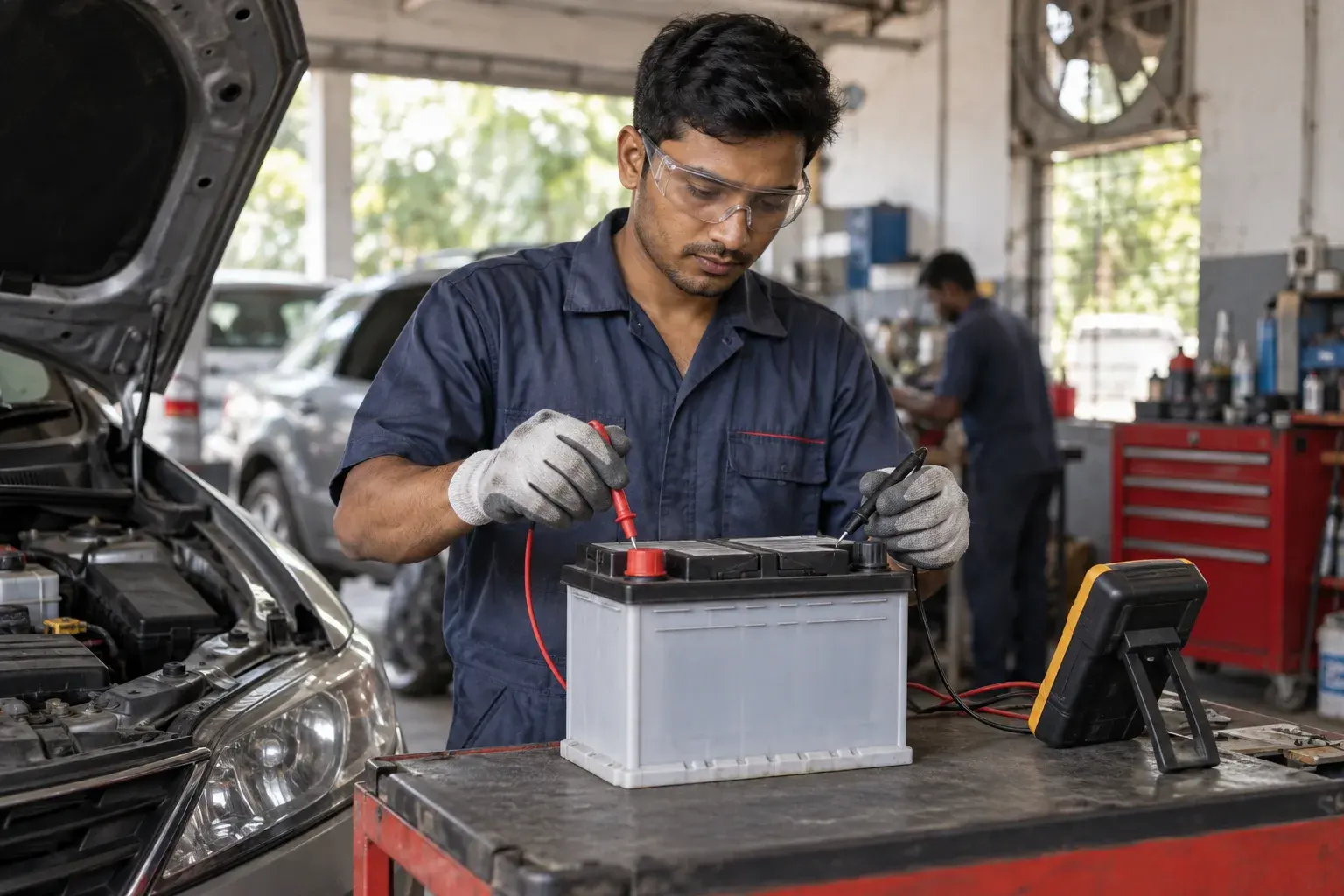
Battery reconditioning
Bringing weak lead-acid batteries back with electrolyte correction and slow charging. Breaking batteries open and smelting the lead is a completely different trade - an offence without Department of Environment clearance, and only 7 of about 1,100 such operations in the country hold one.
- Capital
- ৳50k – ৳4 lakh
- People
- 1 – 5
- First income
- 15 – 60 days